The quality of your business signage depends as much on the company behind it as the sign itself. The right partner can help with design, permitting, fabrication, installation, and long-term maintenance while ensuring your signage aligns with your business goals.
In this guide, you’ll learn:
- How to evaluate a sign company’s experience and project portfolio
- Why design, fabrication quality, and installation capabilities matter
- How permitting knowledge can affect project timelines and approvals
- What customer reviews can reveal about reliability and service
Understanding these factors will help you choose a San Antonio sign company that delivers quality signage and a smooth project experience.
1 – Understand Your Signage Needs First
Before contacting sign companies, define what you need the sign to accomplish. A storefront sign, vehicle wrap, and wall mural each require different materials, design approaches, installation methods, and budgets. The clearer your requirements are upfront, the easier it will be to find a company with the right experience.
Consider the Type of Sign You Need
Different sign shops may specialize in different products. Businesses invest in custom signs in San Antonio to address specific branding, visibility, and operational needs.
Knowing the specific signage you’re looking for will narrow your options and ensure you’re evaluating sign shops that regularly handle similar projects. Some common business sign options include:
- Channel letter signs for storefront visibility and brand recognition.
- Monument signs for office parks, schools, churches, healthcare facilities, and commercial properties.
- Dimensional (3D) letters for building exteriors, lobby signs, and branded interior displays.
- Vehicle wraps for mobile advertising on company cars, vans, and fleets.
- Window graphics for branding, promotions, privacy, or displaying business information.
- Wall murals for offices, retail stores, restaurants, and customer-facing interiors.
- ADA signs to help meet accessibility requirements and improve navigation.
- Banners for events, temporary promotions, grand openings, and seasonal campaigns.
- Dibond signs for long-term outdoor branding, property identification, directional signage, and business signs that require a professional appearance.
- MDO signs for construction sites, real estate developments, wayfinding, and other applications that require a durable painted sign panel.
- Interior office signs such as lobby signs, directional signs, room identification signs, and branded displays.
Whether you’re investing in storefront signs, wayfinding systems, or other forms of commercial signage, the right solution should align with your objectives.
| Expert Tip: If your project involves multiple sign types, choose a company that can manage them under one roof. This helps maintain consistent branding and simplify project coordination. |
Determine Your Goals
The best sign for your business depends on what you want it to achieve. Two companies may need the same type of sign but have completely different objectives.
For example, a retail store may prioritize attracting attention from passing traffic, while a medical office may focus on helping visitors navigate the facility more easily.
Common signage goals include:
- Increasing visibility by making the business easier to identify from the road or surrounding area.
- Strengthening branding through consistent colors, logos, messaging, and design elements.
- Improving wayfinding with directional signs, room markers, and property navigation systems.
- Promoting products, services, or special offers through temporary or permanent displays.
- Creating a professional customer experience with signage that reflects the quality and image of the business.
When weighing your options, go for providers that ask about your objectives rather than immediately recommending a product. The right solution should be based on your goals, location, audience, and budget—not simply on what the company sells most often.
2 – Look for Experience With Similar Projects
Not every company works on the same types of sign projects. One that primarily makes banners may not be the best choice for a monument sign, multi-vehicle fleet wrap, or large-scale signage program. Reviewing relevant experience helps you determine whether a company is equipped to handle your specific requirements.
Review Their Portfolio
A portfolio should show more than finished signs. It should demonstrate experience with projects similar to yours.
Look for examples that align with:
- Your industry, whether that’s retail, healthcare, hospitality, education, construction, or professional services.
- Your preferred sign type, such as channel letters, vehicle wraps, wall murals, monument signs, or 3D letters.
- The scale of your project, especially if it involves multiple signs, large installations, or multiple locations.
The closer the examples are to your project, the better indication you’ll have of what the company can realistically deliver.
Ask About Relevant Experience
A portfolio provides visual proof of past work, but it’s also worth asking about the company’s experience with projects like yours.
For example:
- Have they completed similar projects before?
- Do they regularly work with businesses in the San Antonio area?
- Can they manage both straightforward installations and more complex projects when needed?
Their answers will help you gauge whether they have experience solving the challenges that may arise during your project.
3 – Evaluate Their Design Capabilities
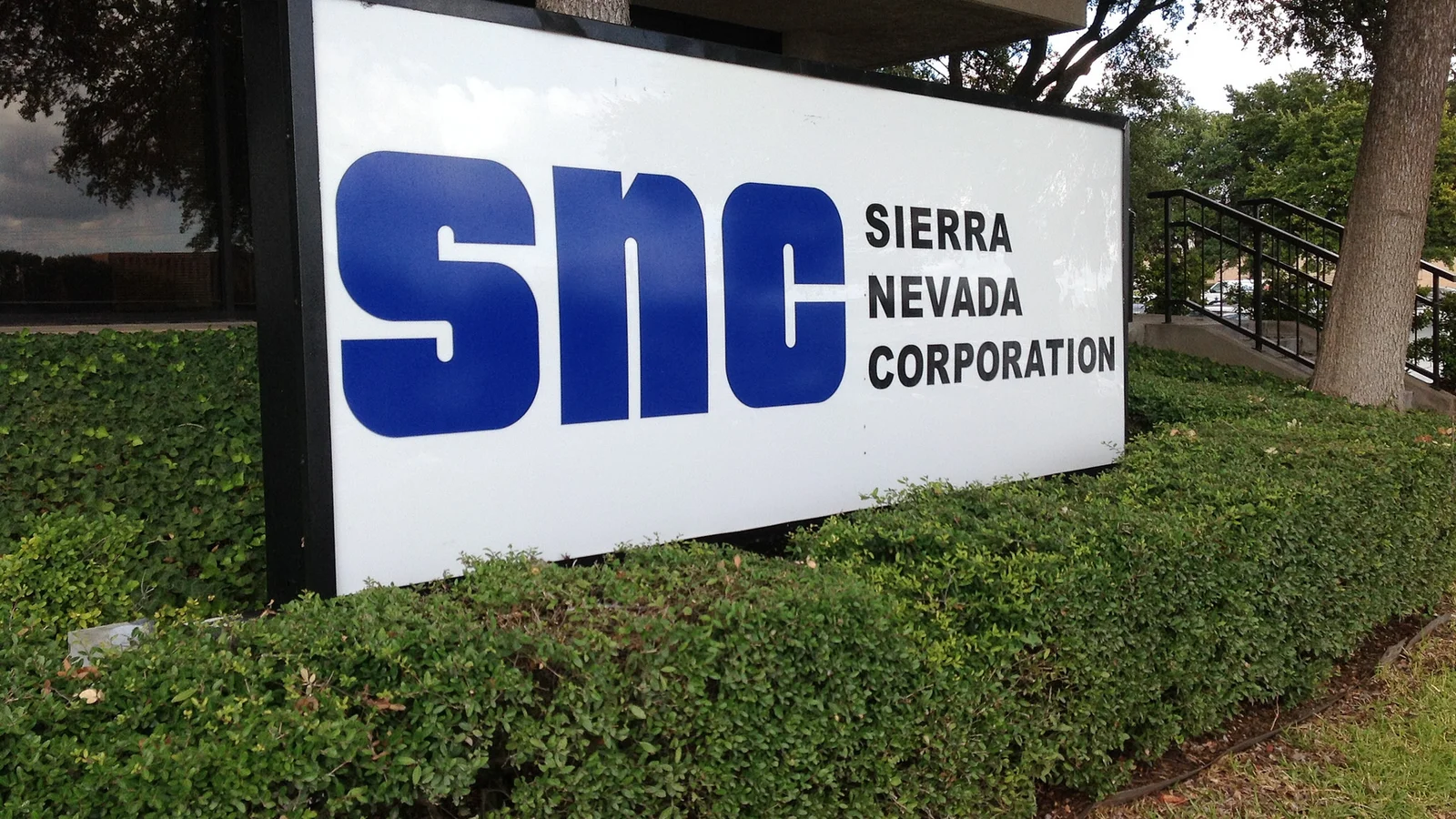
Design influences how easily people can identify your business, understand your message, and recognize your brand.
Custom Design vs. Template-Based Designs
Some sign companies create designs around a business’s existing branding, while others rely heavily on standard layouts. If you’re investing in long-term signage, a customized approach is the better fit.
A well-designed sign should reflect your brand through:
- Consistent use of logos, colors, and visual elements.
- Fonts that align with your brand and remain easy to read.
- Layouts that prioritize the most important information.
- Design choices that account for how and where the sign will be viewed.
How Design Influences Sign Performance
When assessing a sign company’s design capabilities, consider whether they account for factors such as:
- Viewing distance, which affects letter size, spacing, and the amount of information displayed.
- Lighting conditions, including daytime visibility, nighttime illumination, and glare.
- Placement, whether the sign will be viewed from a roadway, sidewalk, parking lot, or interior space.
- Legibility, ensuring text and graphics remain easy to read at a glance.
4 – Ask About Permitting and Local Sign Regulations
Many permanent signs require permits from the City of San Antonio’s Development Services Department before installation. The requirements vary based on the sign’s size, location, height, and installation. Certain projects may also require plan reviews and inspections before they can be approved and installed.
Since requirements can vary by property and sign type, choose a sign company with permitting experience. This will:
- Reduce the risk of project delays
- Identify potential compliance issues early
- Minimize costly design revisions
- Streamline communication with local authorities
- Simplify the approval and inspection process
At Signs of San Antonio, we handle permit applications, plan submissions, coordination with the City of San Antonio, and required inspections on your behalf. This allows you to focus on running your business while the project moves through the approval process.
5 – Review Fabrication Quality and Materials
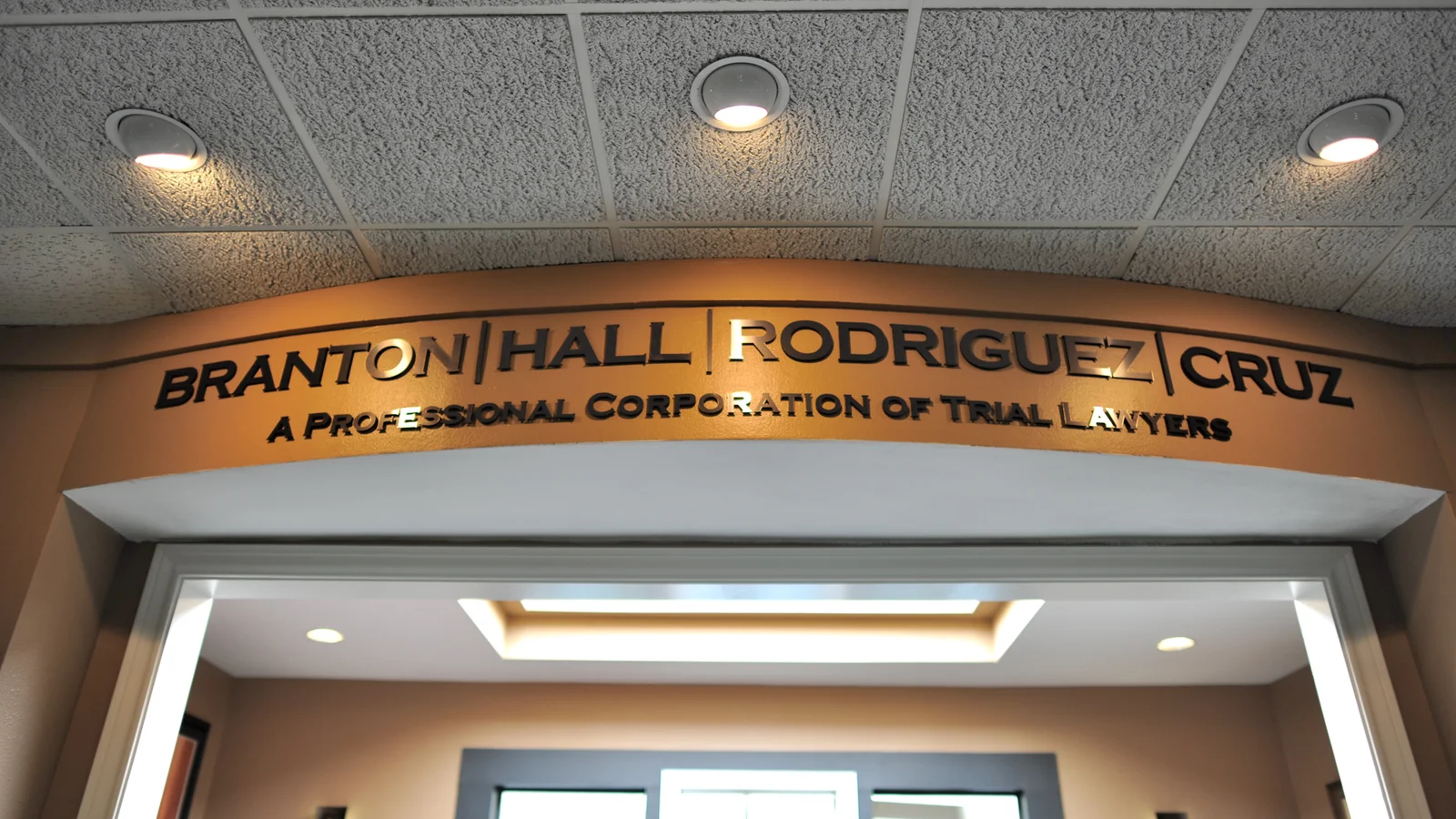
The materials and fabrication methods have a direct impact on how a sign looks, performs, and ages over time. This is especially important in San Antonio, where prolonged sun exposure, heat, and weather conditions can wear on lower-quality materials.
Questions to Ask About Materials
Ask the sign company:
- Which materials do you recommend for this application?
- How will the sign perform outdoors over time?
- What maintenance, if any, will be required?
- Are there material or workmanship warranties available?
Their recommendations should reflect the sign’s location, purpose, and expected lifespan—not a one-size-fits-all approach.
Signs of Quality Fabrication
When reviewing examples of a company’s work, consider:
- Clean edges and finishes
- Consistent construction across sign components
- Durable mounting hardware and materials
- Professional craftsmanship and attention to detail
6 – Consider Installation Capabilities
A well-designed, professionally fabricated business sign can still encounter problems if it is not installed correctly. Installation affects its appearance, longevity, and compliance with applicable requirements.
In-House vs. Outsourced Installation
Some sign companies handle installation with their own crews, while others subcontract the work. Ask who will be responsible for the installation and how the process will be managed.
A company that coordinates installation effectively can help:
- Improve project communication
- Maintain accountability throughout the project
- Reduce scheduling delays and coordination issues
Safety and Professional Standards
Sign installation often involves specialized equipment, elevated work areas, and site-specific requirements. Inquire about the team’s installation capabilities and safety practices.
Prioritize companies that use:
- Appropriate equipment for the project
- Qualified installers with experience handling the type and scale of your project
- Installation practices that comply with applicable safety requirements
Proper installation helps ensure the sign is securely mounted, functions as intended, and meets project specifications.
7 – Read Reviews and Customer Feedback
Customer feedback provides valuable insight into a company’s reliability, communication, and overall project experience.
Look beyond the company’s website and review feedback from multiple sources to identify consistent strengths and potential concerns. Helpful sources include:
- Google Reviews
- Industry directories
- Customer testimonials
- Project case studies
Reviewing multiple sources will help you identify consistent strengths and potential concerns.
When reviewing, pay close attention to comments about:
- Communication throughout the project
- Adherence to project timelines
- Quality of the finished installation
- Responsiveness when issues arise
Consistent positive testimonials in these areas indicate a company that delivers a reliable customer experience. For example, one long-term client shared:
“We’ve consistently been impressed with the quality of work from Signs of San Antonio. Their team is highly responsive and committed to making sure every detail matches what you envision. We’ve trusted them for years and plan to continue doing so.” — Edwin Burton, St. Luke’s Episcopal School
Choose a Sign Company That Supports Your Long-Term Goals
Choosing the right sign company in San Antonio involves evaluating experience, design capabilities, fabrication quality, permitting knowledge, installation services, and customer feedback.
It also helps to choose a partner that can support future needs, such as:
- New locations
- Rebranding projects
- Sign replacements
- Additional signage as your business grows
A company that understands your brand, signage standards, and future objectives can help create a more consistent experience across projects and locations.
“Communication is excellent. Changes are easy. Response is quick. Quality of work is excellent.”—Lisa M.
If you’re planning a signage project, Signs of San Antonio can help with design, permitting, fabrication, and installation. Contact us today to discuss your signage needs.