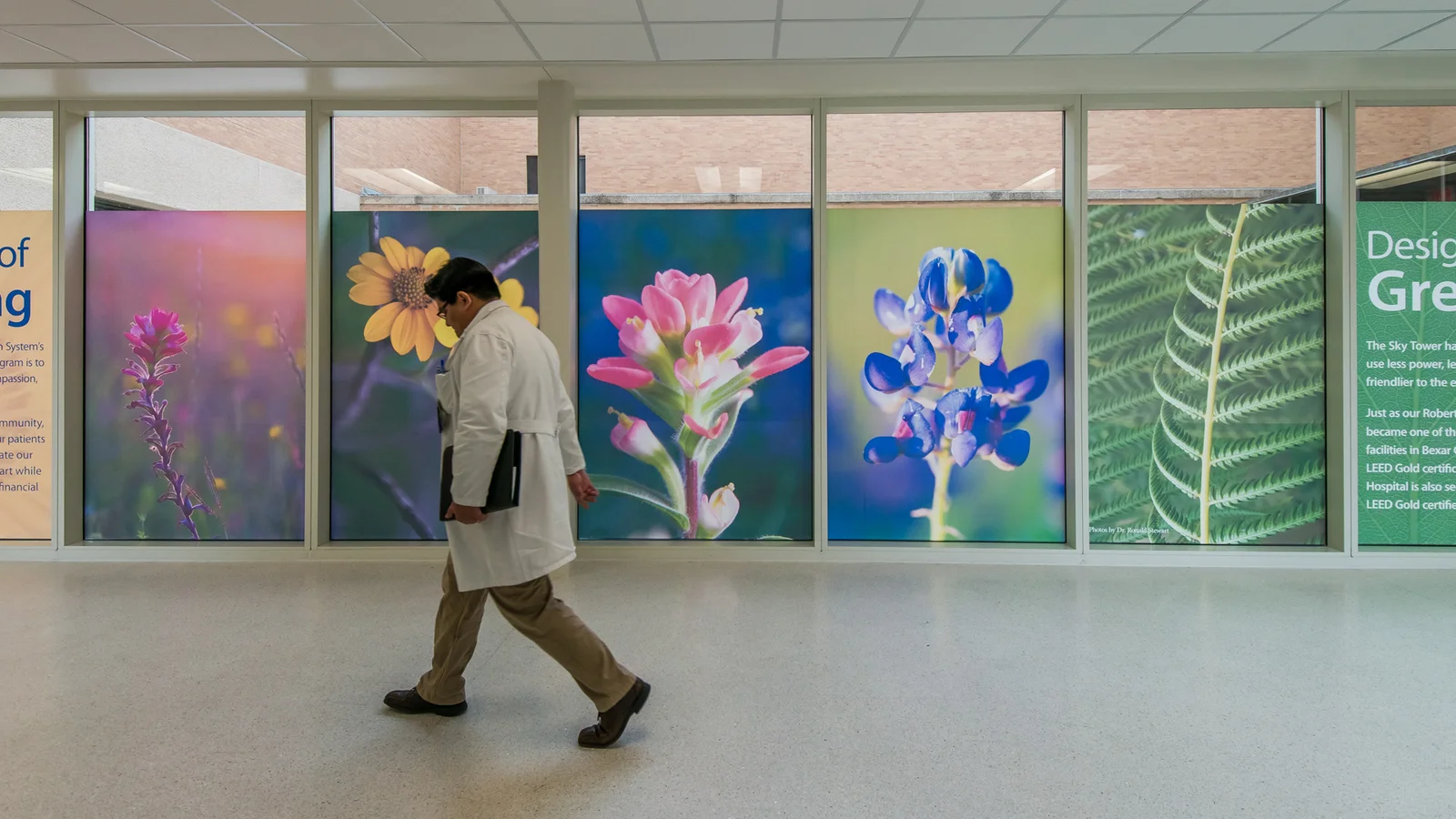
Before customers interact with a business, they form impressions based on the space around them. Wall murals in San Antonio help businesses turn blank interior and exterior walls into large-scale visual features that make commercial spaces feel more intentional and visually distinctive.
In restaurants, offices, retail stores, and other customer-facing areas, wall murals help unify the space without relying on multiple signs or disconnected décor pieces.
Let’s examine:
- How businesses use wall murals to improve spaces
- Where murals work best in commercial environments
- Common design mistakes that reduce impact
- How murals support branding, atmosphere, and customer experience
How Businesses Use Wall Murals to Shape Customer Experience
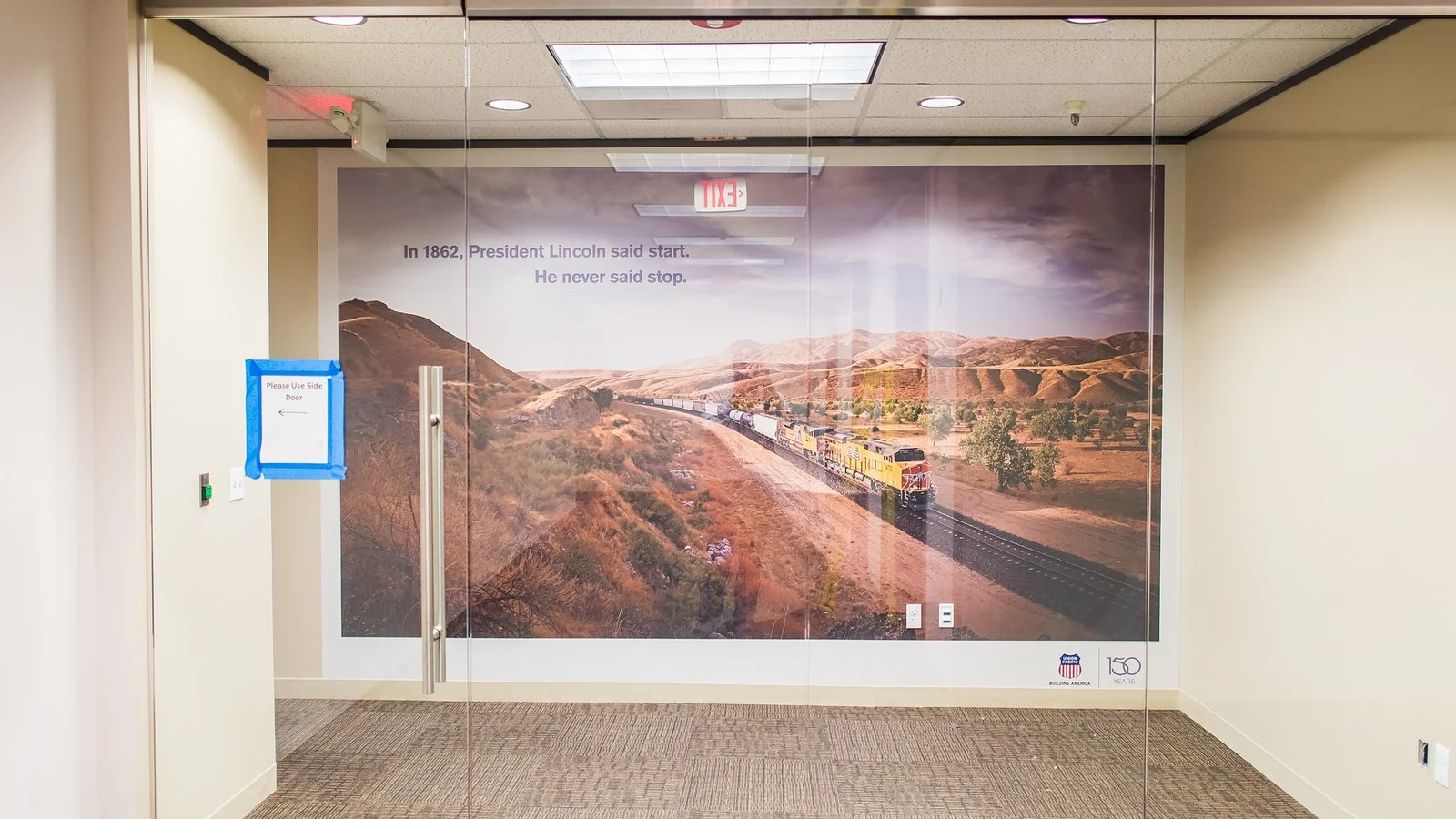
The space of a business influences customer perception just as much as the products or services being offered. Murals help organize the visual environment, guide attention, and encourage interaction.
Reinforcing Atmosphere and Brand Identity
Businesses use murals to create a more recognizable look throughout the space. In restaurants and cafés, murals can help create a warmer and more immersive atmosphere that supports the overall concept of the business.
In offices and retail interiors, cleaner large-scale graphics are often used to make the environment feel more polished, organized, and professionally designed.
Because murals cover large uninterrupted surfaces, they often shape the feel of a space more effectively than framed graphics or scattered décor.
Guiding Attention Within the Space
Murals influence how customers move through commercial interiors. Large-scale graphics naturally draw attention toward entry points, checkout areas, seating sections, waiting zones, or focal walls without relying heavily on additional directional signage.
They also break up blank walls and make larger interiors easier to navigate.
Encouraging Recognition and Customer Engagement
Murals are often used to make customer-facing spaces more memorable and interactive. In restaurants, boutiques, fitness studios, and entertainment spaces, murals become natural photo backdrops that encourage customers to share images online.
This often extends brand visibility beyond the physical location while making the business more recognizable to returning visitors.
Where Wall Murals Work Best in Commercial Spaces
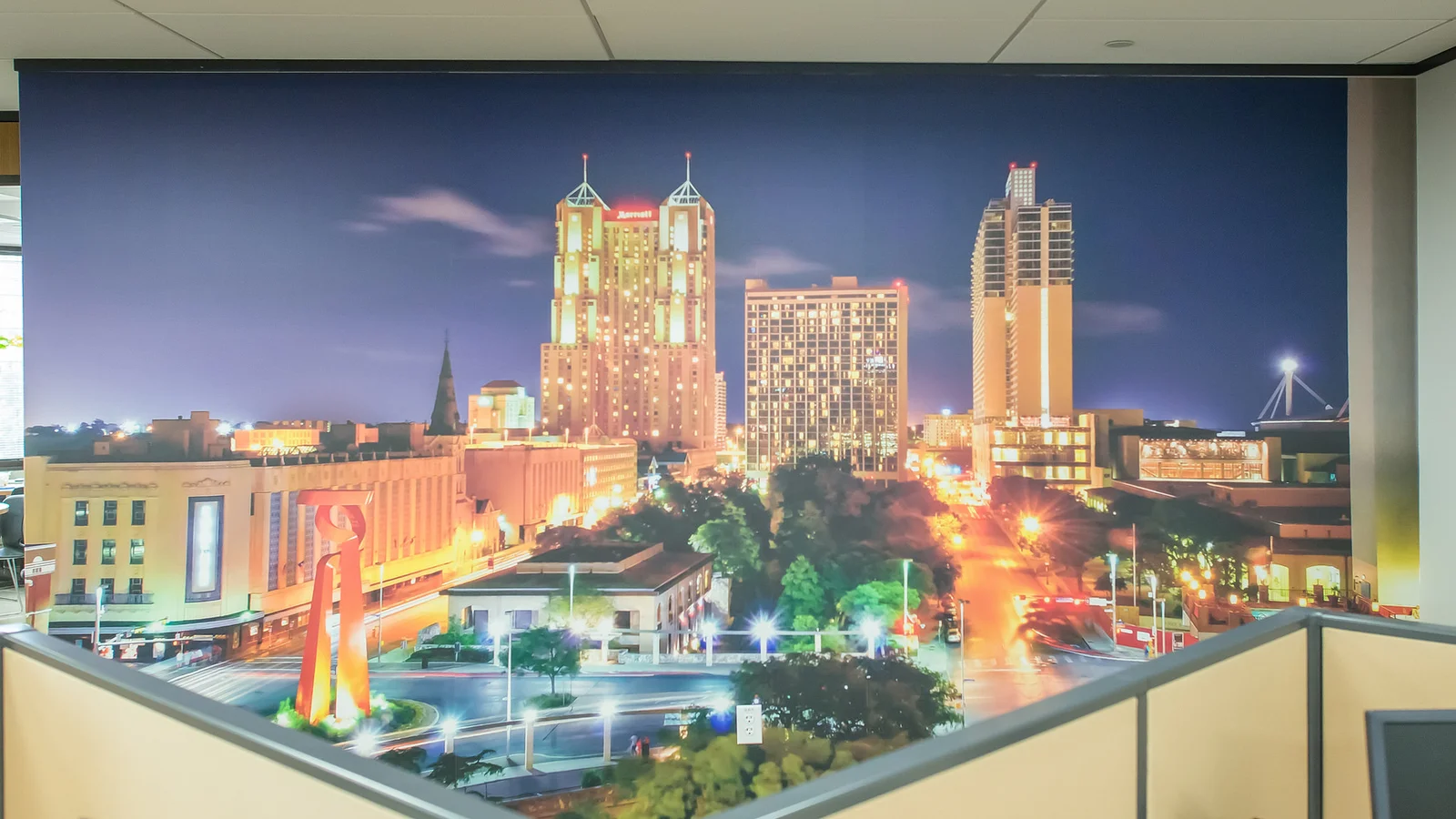
Wall murals work best in spaces where the physical environment shapes the customer experience. Because murals use existing wall surfaces instead of floor space, they transform plain or underutilized areas without affecting how the space functions day to day.
Reception Areas and Entryways
Reception spaces and entrances are often where customers form their first impression of a business. Murals in these areas establish atmosphere immediately and reinforce branding in a way that feels more integrated than standalone signage or framed graphics.
Large-scale visuals, abstract brand elements, or locally inspired designs make the space recognizable from the moment visitors walk in.
Waiting Areas and Customer Lounges
Wall murals are used in waiting rooms, lounges, and seating areas where customers spend time while waiting to be served.
In these areas, murals help reduce the sterile or empty feeling large walls can create while making the space feel:
- calmer and more welcoming
- visually unified instead of fragmented
- more immersive for customers and visitors
- less visually repetitive
- more aligned with the atmosphere of the business
Hallways, Offices, and Shared Commercial Interiors
Long hallways, office interiors, conference rooms, and shared commercial spaces are often visually overlooked despite being high-traffic areas. Large-scale murals help reduce visual emptiness while creating a stronger sense of flow throughout the interior.
In offices and collaborative workspaces, murals are also used to reinforce company culture, add energy to the environment, or make meeting spaces feel less rigid and formal.
Retail Spaces and Feature Walls
Retail businesses use murals to create focal points that draw customers deeper into the store and encourage interaction.
For example, large wall graphics can:
-
- Define featured areas
- Support product displays
- Create photo-friendly sections for customers
Common Wall Mural Mistakes Businesses Make
Wall murals are most effective when they are designed around how the space is actually used rather than treated as oversized decoration. Design choices, placement, and material selection all affect whether the mural improves the environment or creates more visual clutter.
Some of the most common wall mural mistakes include:
- Overcrowding the design: Too many graphics, colors, or competing ideas can make large walls feel visually noisy.
Simpler layouts with one strong focal concept usually create a mural that feels easier to process visually.
- Poor placement: Murals placed outside major sightlines or blocked by furniture, shelving, or displays lose impact quickly.
Positioning murals near entry areas, waiting spaces, or natural customer viewing paths improves visibility.
- Choosing visuals that don’t fit the atmosphere: A mural should support the environment instead of competing with it.
Softer and more restrained designs often work better in offices and waiting areas, while retail and entertainment spaces may benefit from bolder visuals.
- Using too much text: Large walls are difficult to read when overloaded with information.
Shorter messaging, larger lettering, and cleaner layouts are usually easier for customers to process quickly.
- Using the wrong materials or finishes: Different environments require different installation materials. High-traffic interiors, moisture-prone areas, exterior walls, and surfaces exposed to direct sunlight often require more durable materials and protective finishes.
Choosing installation materials designed for the specific environment helps maintain appearance, readability, and long-term durability over time.
Making Wall Murals Work for Your Business Space
The most effective wall murals are usually the ones designed with the space itself in mind rather than added as decoration afterward. Factors like customer movement, viewing distance, and wall placement all influence how the mural functions once installed.
At Signs of San Antonio, we help businesses evaluate mural concepts based on how the space functions day to day. That includes planning around layout, visibility, materials, and long-term durability so the mural feels integrated into the space instead of visually disconnected from it.
If you are planning a wall mural for your business, we can help create a solution that fits your space, brand, and customer experience goals. Reach out today to get started.
Frequently Asked Questions
1. What are wall murals used for in businesses?
Wall murals are used to reinforce branding, improve atmosphere, and create stronger visual cohesion in customer-facing spaces like restaurants, offices, retail stores, and fitness studios.
2. Where should a wall mural be placed?
Murals work best along primary sightlines such as entry walls, waiting areas, checkout spaces, or major focal points within the business.
3. Do wall murals work in smaller commercial spaces?
Yes. Simpler mural designs often work well in smaller spaces because they help the environment feel more open and visually balanced.
4. How do wall murals compare to framed graphics or multiple signs?
Wall murals create a larger, more unified visual impact, while framed graphics and smaller signs are better for content that changes frequently.
5. Can wall murals help with social media visibility?
Yes. Many businesses use murals to create recognizable photo backdrops that customers share online.
6. Are wall murals permanent?
Most murals are designed for long-term use, but they can usually be removed or replaced if branding or business needs change later.