For many small and mid-sized businesses, visibility is not about being louder. It is about being timely, clear, and easy to notice in the moments that matter.
Digital display signs support this by giving businesses the ability to keep their messaging current, targeted, and aligned with real customer behavior.
Instead of committing to a single static message, brands can respond to time of day, seasonality, promotions, and foot traffic patterns without replacing physical signage.
When used well, digital display signs turn a storefront, lobby, or checkout area into an active brand touchpoint. They reinforce recognition, improve customer flow, and help businesses communicate more effectively at scale.
When Digital Display Signs Make Sense for a Business

Digital signage is most effective when a business needs flexibility and frequent updates, not just visual impact. These signs are a strong fit when messaging changes regularly, when customer decisions happen on-site, or when visibility from the street directly influences foot traffic.
Common situations where digital displays add value include:
- Restaurants updating menus, daily specials, or limited-time offers
- Retailers highlighting seasonal collections or in-store promotions
- Service businesses managing wait times or directing customer flow
- Multi-location brands seeking consistency without repeated print costs
Rather than replacing every static sign, digital displays work best as part of a broader signage mix, supporting areas where real-time communication improves outcomes.
Practical Benefits: How Digital Signs Drive Results
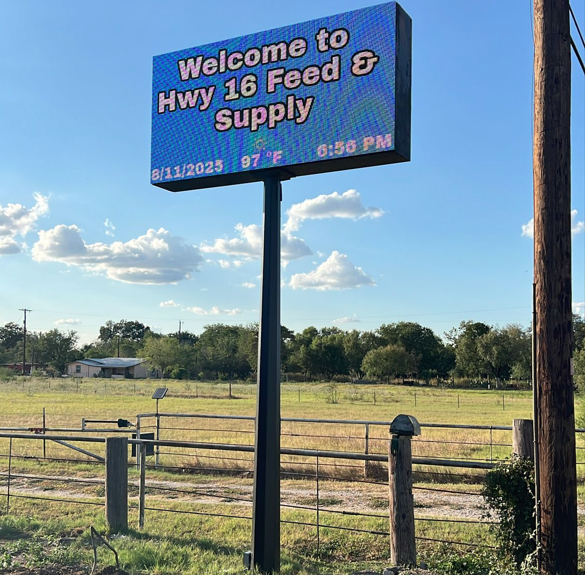
Digital display signs play an important role inside the customer environment, not just outside. Clear, dynamic messaging helps guide decisions, reduce friction, and improve perceived service quality.
Practical benefits include:
- Increasing point-of-sale conversion: Digital menus and feature panels highlight add-ons, bundles, and limited-time offers when purchase decisions are being made.
- Reducing perceived wait times: Engaging, relevant content in waiting areas keeps customers informed and occupied, making delays feel shorter and more organized.
- Improving wayfinding and flow: Clear, dynamic directions help customers navigate entrances, service counters, and pickup areas with less friction.
- Maintaining message accuracy: Real-time updates ensure pricing, availability, and promotions remain current, reducing confusion and staff intervention.
Offer your customers products or services through up-selling/ cross-selling in real time which they can view.
Balancing Visibility, Placement, and Purpose
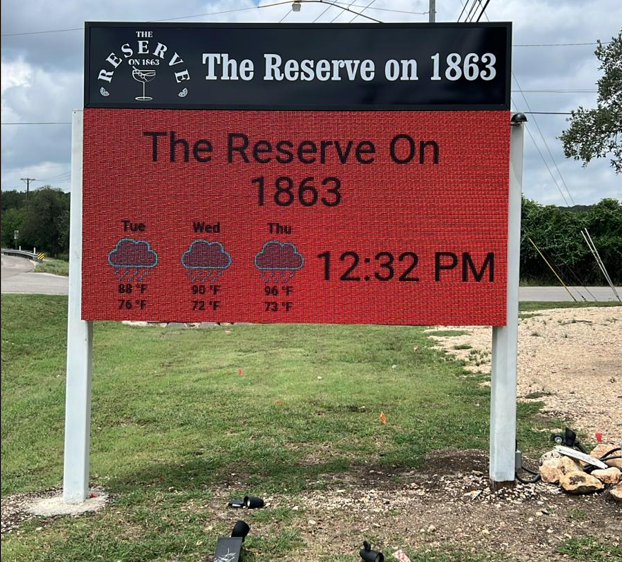
Choosing the right digital display is less about screen features and more about placement and intent. Businesses benefit most when displays are positioned where decisions are already being made.
Key considerations include:
- Street-facing displays that attract passing traffic
- Entry-point screens that set expectations
- Checkout or counter displays that encourage add-ons
- Interior screens that manage flow or share updates
By aligning placement with purpose, businesses avoid visual clutter and ensure each display supports a specific goal.
Managing Content Without Added Complexity
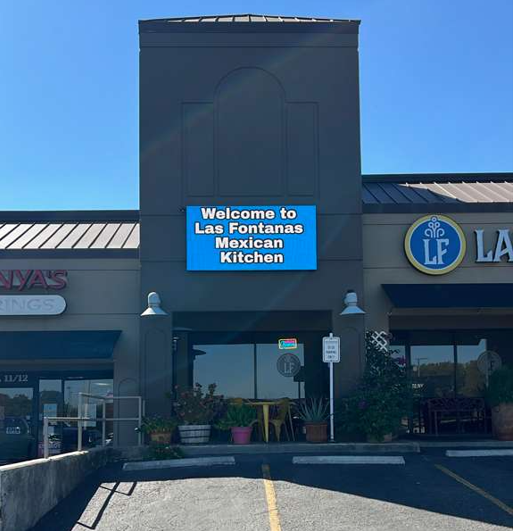
One of the primary advantages of digital display signs is the ease of adding updates. Businesses can refresh messaging without reprinting, reinstalling, or delaying campaigns.
This is especially useful for:
- Seasonal promotions
- Event-based messaging
- Time-sensitive announcements
- Multi-location consistency
Instead of managing multiple physical assets, teams can maintain accuracy and relevance from a single content source, reducing long-term operational effort.
Digital Displays as a Long-Term Investment
While digital displays often require a higher upfront cost than static signs, their value is measured over time. The ability to run multiple campaigns on a single screen, reduce recurring print expenses, and adapt quickly to market conditions supports a stronger return.
For businesses focused on steady growth rather than one-time promotions, digital signage offers durability, consistency, and control without constant replacement cycles.
Holistic Marketing – Digital Displays and Large Outdoor Mesh Banners
Digital signage works best when paired thoughtfully with other sign formats. Static exterior signs, wall graphics, or large outdoor mesh banners can establish brand presence, while digital displays handle timely messaging.
This layered approach allows businesses to:
- Maintain consistent branding across the property
- Use static signs for permanence and recognition
- Rely on digital screens for updates and promotions
Each sign type plays a different role, supporting visibility without redundancy. When carefully combined the output is high impact marketing.
Making the Right Decision for Your Space
Digital display signs work best when they are used with purpose, not everywhere at once. Strong results come from knowing where flexible messaging adds value, where consistent branding matters, and how different sign types work together on-site.
If you are assessing digital displays and large mesh banners, contact us to review where each option improves visibility, communication, and overall performance at your location.
Frequently Asked Questions
- What are digital display signs best used for?
Digital display signs are ideal for businesses that need flexible, on-site messaging, such as menus, promotions, service updates, or wayfinding. They work best where customer decisions happen in real time and content changes regularly. - Are digital display signs suitable for small businesses?
Yes. Many small and mid-sized businesses use digital display signs to stay current without recurring print costs. They are especially useful for restaurants, retailers, and service-based businesses that rely on visibility and timely communication. - Where should digital display signs be placed for maximum impact?
The most effective placements are entrances, street-facing windows, checkout areas, and waiting zones. These are points where visibility influences foot traffic, purchasing decisions, or customer flow. - How do digital display signs improve the customer experience?
They make information easier to understand at a glance, reduce perceived wait times, and guide customers through their visit. Clear, dynamic messaging helps interactions feel smoother and more intentional. - How do digital display signs compare to static signage?
Static signs are effective for permanent branding, while digital display signs excel at timely updates and promotions. Many businesses use both together to balance consistency with flexibility. - When do large outdoor mesh banners make sense for a business?
Large outdoor mesh banners are a strong choice for perimeter branding, construction fencing, or large properties where visibility from a distance matters. They provide continuous brand presence without relying on frequent updates. - Can digital display signs be combined with large outdoor mesh banners?
Yes. Digital display signs handle time-sensitive messaging, while large outdoor mesh banners extend brand visibility across wider areas. Together, they create a layered signage strategy that covers both engagement and coverage.