Opening a new business comes with a list of priorities. Securing a location, purchasing equipment, hiring staff, and preparing for opening day often take center stage. This leaves physical signage until the final months before launch.
Signage isn’t something you install a few days before opening. Business signs require design, permitting, fabrication, and professional installation, all of which take time. Planning early helps ensure your business:
- Is easy for customers to find
- Presents a professional first impression
- Reinforces your brand identity
- Guides customers through your space
- Is ready for opening day
The checklist below covers the essential custom signs every new business should consider before opening.
1 – Choose the Right Primary Business Sign
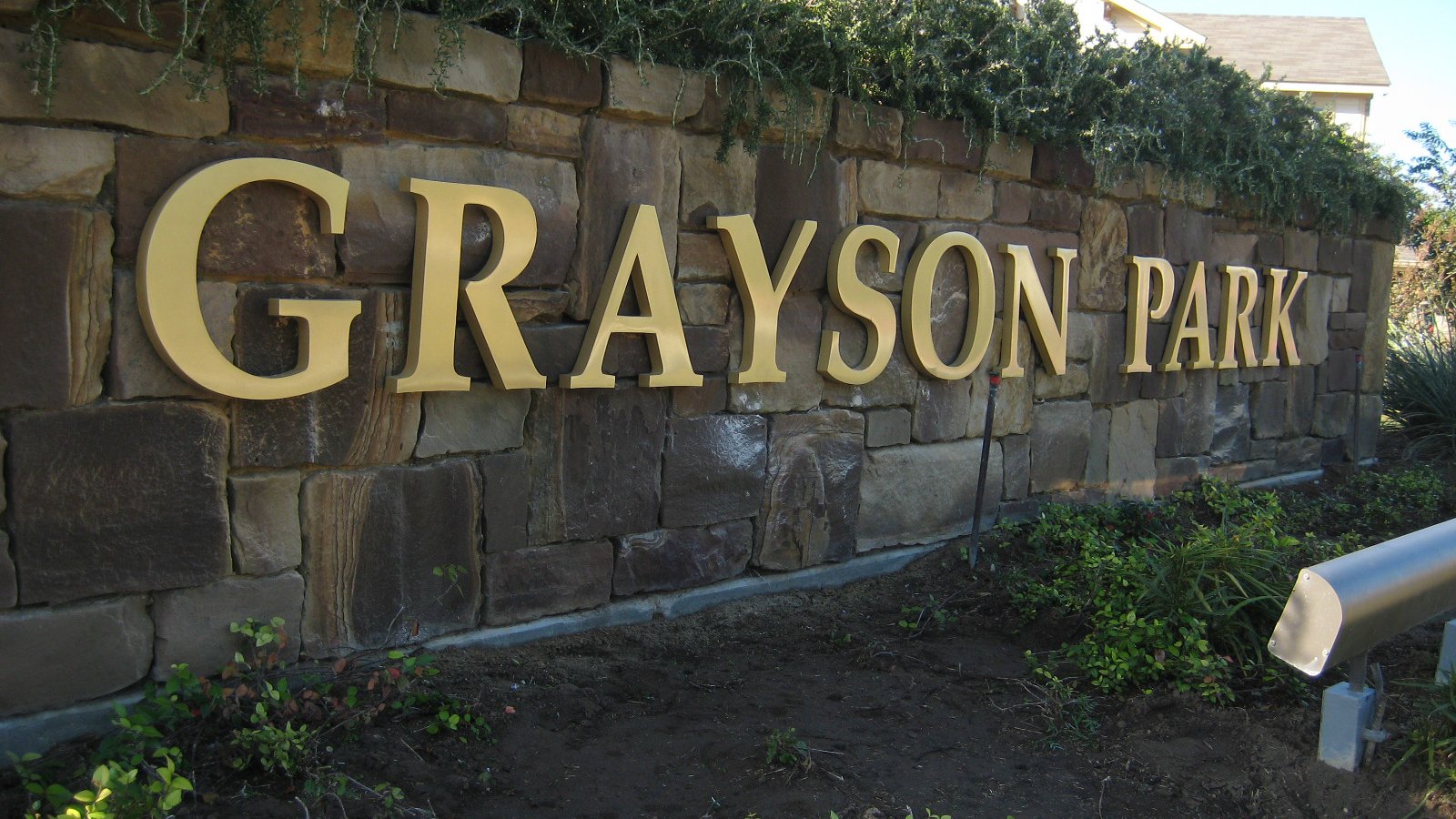
Your primary business sign is the first thing potential customers notice. It tells people they’ve arrived at the right place and helps establish your business as credible and trustworthy. If customers struggle to find your location or recognize your storefront, even the best products or services may go unnoticed.
The ideal primary sign depends on your building, visibility, local regulations, and how people approach your business. A sign that’s perfect for a storefront in a busy shopping district may not work for a business located along a high-speed road or inside a business park.
Here are some of the most common primary sign options.
Storefront Signs
Best for: Retail stores, restaurants, salons, gyms, and offices with direct customer access.
Storefront signs are mounted directly above or beside your entrance. Depending on the property, these signs may use dimensional letters, illuminated lettering, cabinet signs, or other sign styles approved by the property owner.
Channel Letters
Best for: Businesses that need strong day-and-night visibility.
Channel letters are individually fabricated, three-dimensional letters mounted on a building. Illuminated versions improve visibility after dark, making them ideal for retailers, restaurants, medical offices, and other businesses that operate into the evening.
Monument Signs
Best for: Businesses set back from the road or located within business parks, medical campuses, or multi-building properties.
Monument signs improve roadside visibility by helping customers identify your location before they reach the building.
Pylon Signs
Best for: Businesses located along highways or busy commercial roads.
Pylon signs are designed to be seen from significant distances, even when nearby buildings, landscaping, or parked vehicles partially block the view.
Shopping centers, hotels, gas stations, dealerships, and large retail developments commonly install pylon signs where long-distance visibility is essential.
Key Factors to Consider
Rather than choosing the most attractive sign style, start by evaluating how customers will find your business.
Ask yourself:
- How far away do customers need to see the sign?
- Will they approach on foot or by vehicle?
- Is the business located directly on the road or farther back on the property?
- Does the building have signage restrictions?
- Are there landlord or shopping center design requirements?
- Will the sign need illumination for evening visibility?
For example, a boutique located on a walkable downtown street may only need professionally designed channel letters above the entrance.
But a manufacturing company located inside an industrial park will benefit from both a monument sign at the entrance and building-mounted signage to help people navigate the property.
2 – Identify the Interior Signs Your Business Needs
Once someone walks through the door, they should immediately know where to go, who to speak with, and how to find the services they’re looking for.
Planning interior signage before opening helps create a more organized environment. Rather than adding signs as needs arise, you can develop a consistent system that supports both customers and employees from day one.
Lobby and Reception Signs
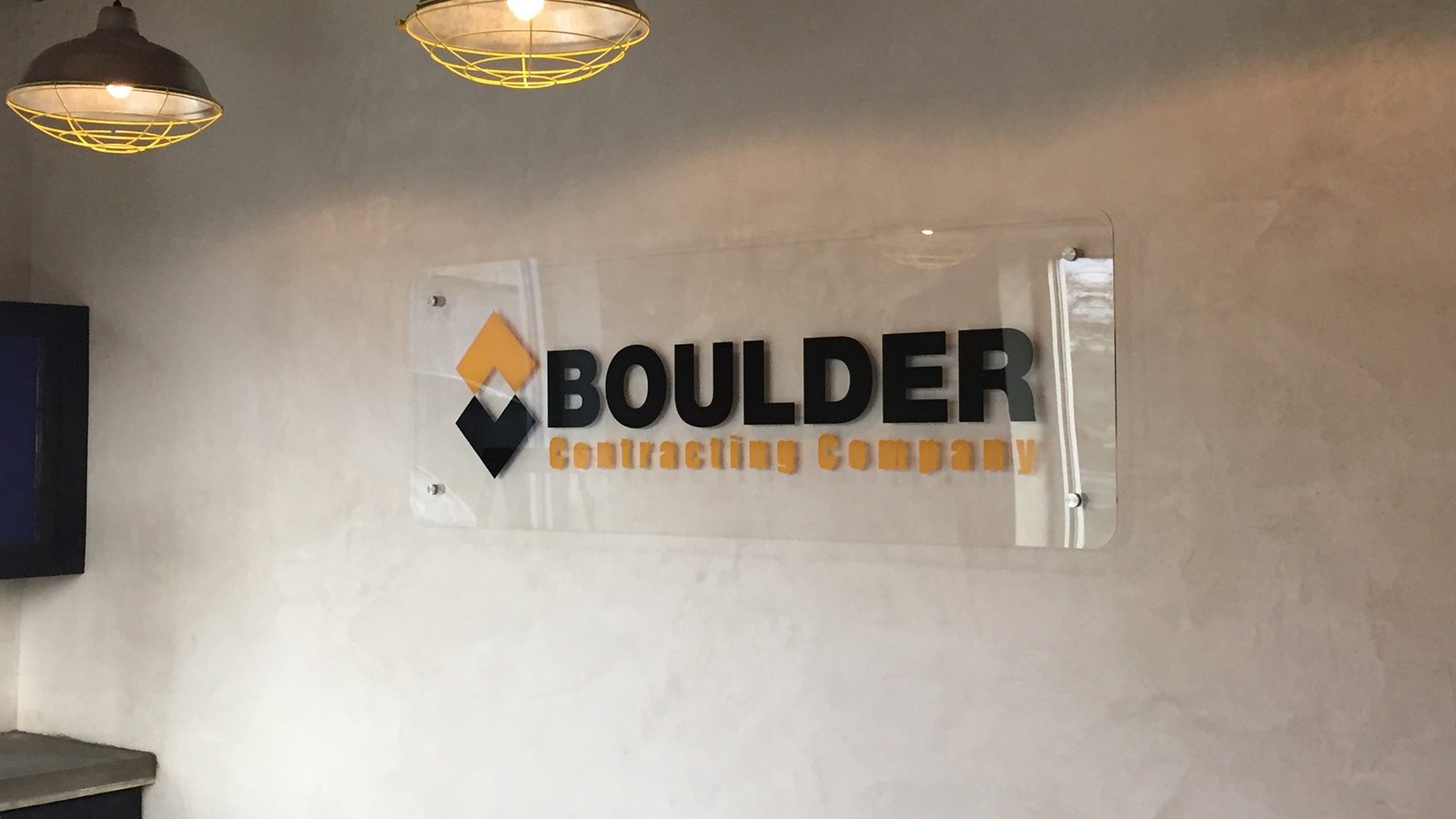
Your reception or lobby sign is the focal point of your interior.
Positioned behind the reception desk or inside the entrance, it reinforces your brand and creates a polished first impression for visitors, clients, and partners.
These signs are commonly made from acrylic, metal, PVC, or dimensional lettering, depending on the look you want to achieve. They can also incorporate illuminated elements or your company’s brand colors to create a stronger visual presence.
For businesses that regularly welcome clients or partners, a professionally designed lobby sign helps establish credibility from the moment someone walks inside.
Directional and Wayfinding Signs
Even new businesses benefit from directional signage.
People shouldn’t have to stop and ask where the restrooms are or where to collect an order. Simple, well-placed directional signs help customers move confidently through your space while reducing interruptions for employees.
Depending on your layout, you may need signs directing customers to:
- Reception
- Waiting areas
- Checkout counters
- Restrooms
- Meeting rooms
- Customer service
- Pickup counters
- Departments
- Exits
As businesses grow or expand into larger facilities, wayfinding becomes more important because unfamiliar visitors will struggle to navigate complex layouts.
ADA-Compliant Signs
Accessibility should be considered from the beginning of every signage project rather than added later to meet compliance requirements.
ADA-compliant signs help ensure that people with disabilities navigate your facility safely and independently. Depending on your business and local building codes, these signs may include tactile lettering, Braille, specific mounting heights, and high-contrast text for improved readability.
Safety and Regulatory Signs
Safety and regulatory signs can be overlooked during the planning stage, but they are required before opening. They help protect employees, customers, and visitors while supporting compliance with local building, fire, and workplace regulations.
Depending on your business, you may need:
- Emergency exit signs
- Fire extinguisher location signs
- Occupancy notices
- Employee-only signs
- Hazard warnings
- First aid signs
Confirm these requirements early to avoid inspection delays or last-minute changes before opening.
3 – Parking and Exterior Directional Signs
Exterior directional signs help people find parking, entrances, pickup areas, or the correct building without confusion.
The right exterior signage depends on your property’s layout and how visitors access it. Common examples include:
- Parking signs
- Entrance and exit signs
- Delivery entrance signs
- Pickup and curbside collection signs
- Drive-thru signs
- Loading zone signs
- Building directory signs for multi-tenant properties
The more complex your site, the more important these signs become. A standalone retail store with one entrance may only need clearly marked parking and an entrance sign.
For example, a medical complex or business park with multiple buildings requires directories and directional signs at several decision points to guide clients.
When planning exterior signs, think about how customers move through your property from the road to your front door. Every sign should answer the next question they’ll have, whether it’s “Where do I park?” or “Which entrance should I use?”
4 – Prepare Promotional Signs for Your Launch
While permanent signs help customers identify your business, promotional signs support your launch and ongoing marketing. They’re ideal for announcing your grand opening, highlighting special offers, and attracting attention during seasonal campaigns.
These signs are designed to change as your business grows. You can update them to promote seasonal sales, introduce new products, advertise limited-time offers, or support special events throughout the year.
For new businesses, the first promotional campaign is the grand opening. Grand opening banners help build awareness before opening day, attract passing traffic, and encourage people to stop in while your business is still new to the community.
Depending on your business, your promotional and temporary signage may include:
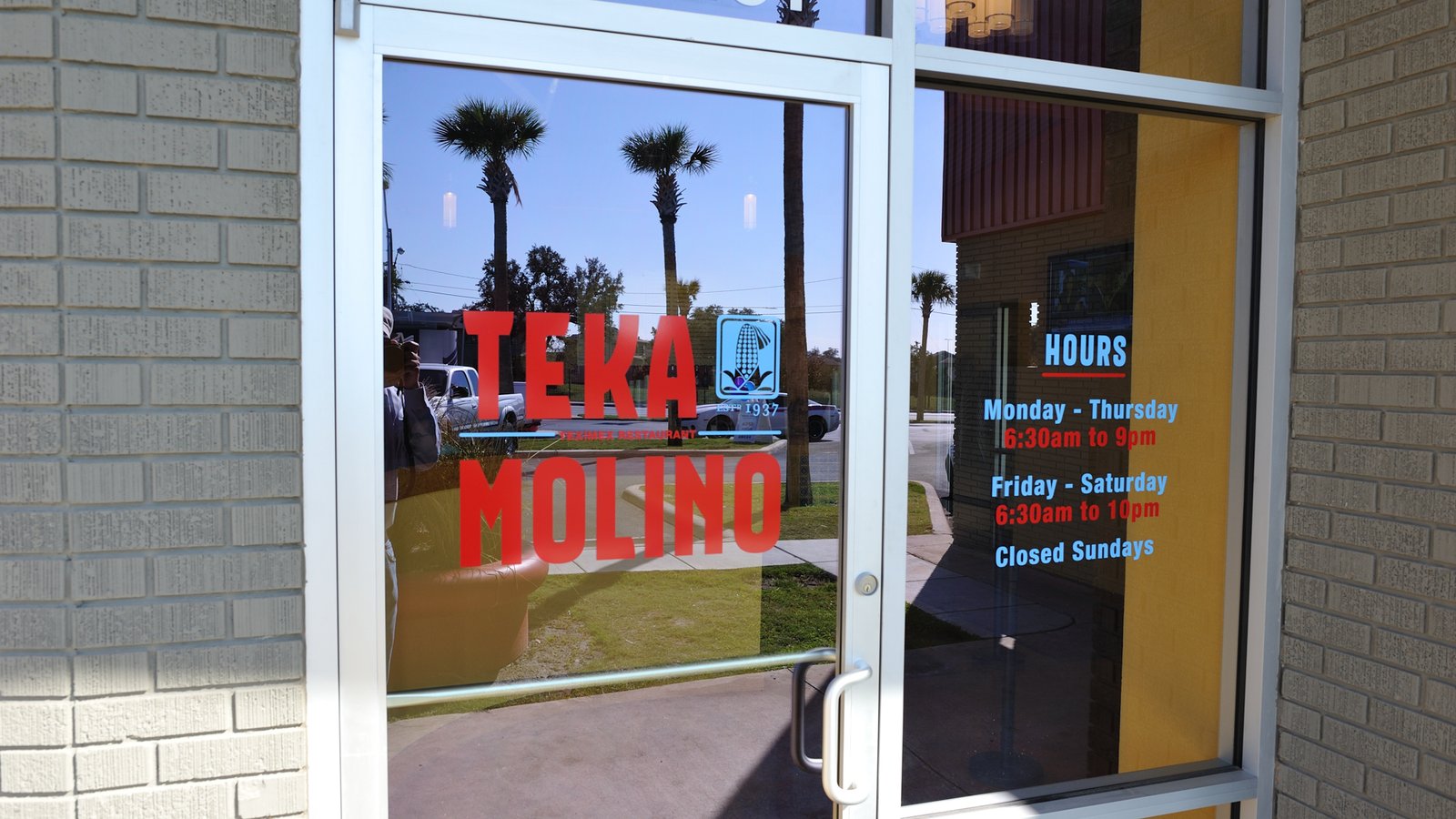
- Window graphics
- Countertop displays
- Floor graphics
- Hanging promotional banners
- Shelf talkers
- End-cap displays
- A-frame sidewalk signs
- Menu boards
- Digital promotional displays
The right combination depends on how customers interact with your business. For example, a new café might use a feather flag and sidewalk sign to advertise its grand opening, then replace them with weekly specials after launch. A retail store may install window graphics announcing opening-day discounts before updating them with seasonal promotions throughout the year.
| Expert Tip: Choose promotional signs that are easy to replace so you can update campaigns without redesigning your permanent signage. This keeps your marketing current while maintaining consistent branding. |
5 – Extend Your Brand With Vehicle Graphics
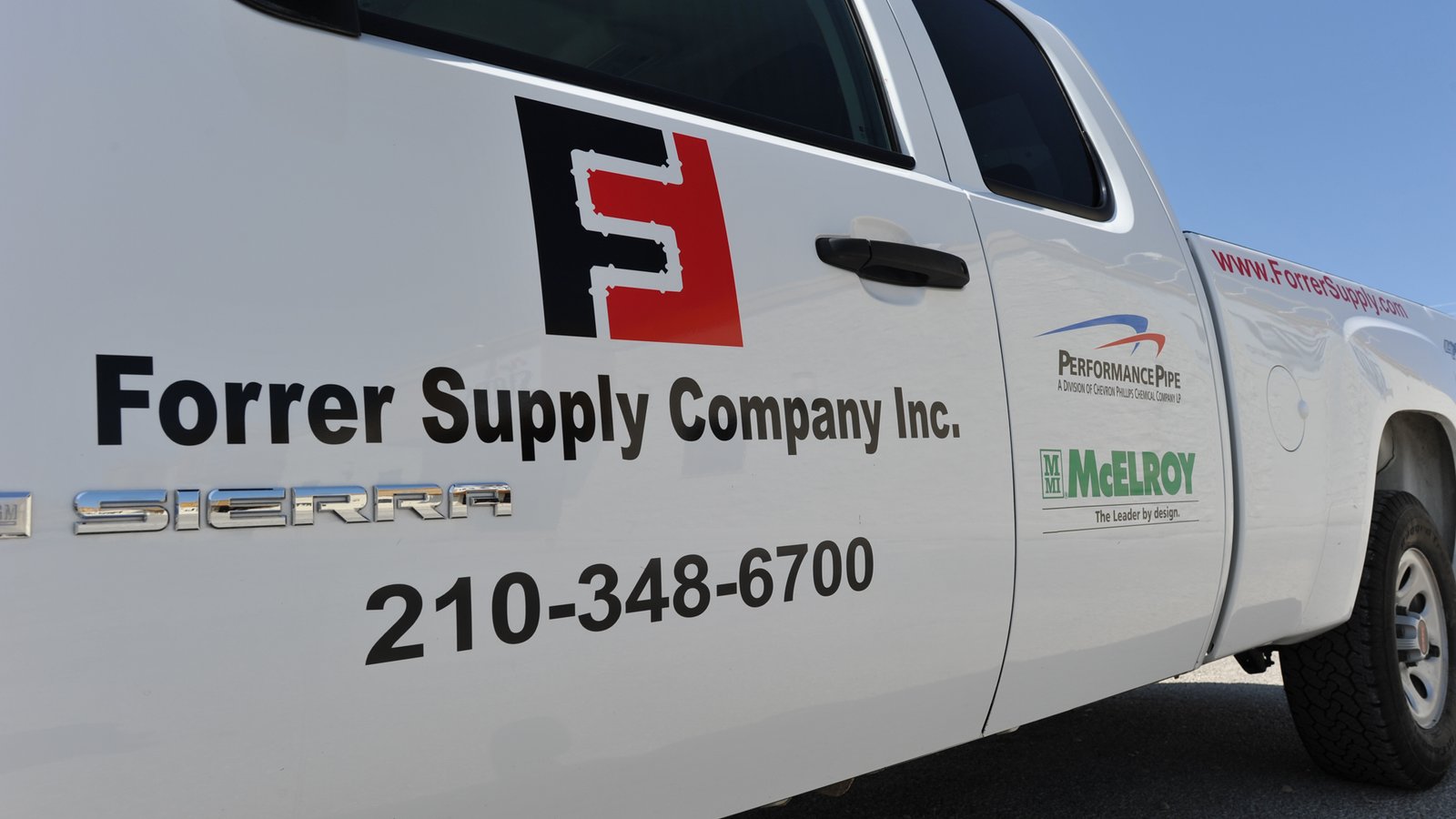
Vehicle graphics can be optional for many new businesses. If your company relies on service vehicles, deliveries, or on-site visits from day one, they should be included in your initial signage plan. Otherwise, they can usually be added after opening as your business grows.
Unlike traditional advertising that reaches customers in a single location, vehicle graphics promote your business wherever your vehicles travel or are parked.
Contractors, electricians, plumbers, landscapers, HVAC companies, cleaning services, pest control businesses, mobile pet groomers, and delivery services can all benefit from turning their vehicles into branded assets.
Depending on your needs and budget, you can choose from several options:
- Full vehicle wraps
- Partial wraps
- Vehicle decals
- Door logos
- Rear window graphics
- Fleet graphics for multiple vehicles
Choose the level of coverage based on how the vehicle is used and how visible you want your branding to be. Service businesses that spend most of the day on the road often benefit from larger graphics, while businesses using personal vehicles may only need subtle branding.
6 – Schedule Production and Installation Early

Don’t wait until the last few weeks before opening to order your business signs. While it may seem like a task that can be completed quickly, quality signage involves several stages, each requiring time and planning.
Depending on the type of sign, the process may include:
- Site surveys and measurements
- Design revisions and approvals
- Permit applications
- Material sourcing
- Fabrication
- Electrical work for illuminated signs
- Professional installation
- Final inspections
Some signs, such as window graphics or A-frame signs, can be designed relatively quickly. Others, including illuminated channel letters, monument signs, or pylon signs, may take several weeks because of fabrication requirements, permitting, or specialized installation.
Planning and scheduling early gives you more time to review proofs, make design adjustments, and ensure every sign matches your branding before production begins.
Quick Signage Checklist
✓ Primary business sign installed
✓ Reception or lobby sign installed and clearly visible
✓ Wayfinding and room identification signs installed
✓ ADA and safety signage in place
✓ Parking and exterior directional signs installed
✓ Grand opening or launch promotions ready
✓ Vehicle graphics installed (if applicable)
✓ All signs installed and inspected
Ready to Bring Your Signage Plan to Life?
Coordinating design, permits, fabrication, installation, and branding across multiple sign types is overwhelming for a new business.
Rather than treating each sign as a separate project, it’s more efficient to work with a sign company that can help you plan, design, and install a complete signage system. This saves time and ensures your branding remains consistent across every sign your customers see.
At Signs of San Antonio, we help new businesses turn their signage checklist into reality. Whether you’re opening a retail store, restaurant, office, healthcare practice, or commercial facility, our team will guide you through every stage of the process—from selecting the right sign types and materials to fabrication, permitting, and professional installation.
“We’ve consistently been impressed with the quality of work from Signs of San Antonio. Their team is highly responsive and committed to making sure every detail matches what you envision. We’ve trusted them for years and plan to continue doing so.” —Edwin Burton, St. Luke’s Episcopal School
If you’re planning a new business or preparing for an upcoming opening, our team is here to help. Contact us to discuss your signage needs, and we’ll recommend the right solutions to help your business make a strong first impression from day one.