The material a sign is made from determines how it looks in six months, not just on the day it goes up. For businesses investing in outdoor signs, that distinction matters. A sign that holds its appearance through San Antonio’s heat, UV exposure, and seasonal weather changes is a different product from one that looks fine at installation and starts degrading by the following summer.
Wood and wood-composite materials remain practical choices for a range of outdoor signage applications. The key is understanding which format suits the job and what the finish and installation details need to include for the sign to perform as expected.
Where Wood Fits in Commercial Outdoor Signage
Natural wood has a place in commercial signage, primarily in carved, dimensional, and decorative applications where the texture and character of the material are part of the design intent. Routed lettering, raised relief panels, and hand-finished signs work with natural wood substrates in ways that engineered products do not replicate.
For these applications, species with natural moisture resistance, such as cedar or redwood, tend to hold up better outdoors than untreated softwoods. However, even naturally resistant wood requires proper sealing, finishing, and periodic maintenance to perform reliably over time. The finish system is as important as the species choice.
What MDO Is and Why It Works for Outdoor Signs
MDO stands for Medium Density Overlay. It is exterior-grade plywood with a smooth, resin-treated fiber surface bonded to each face. That surface is what makes it different from standard plywood. It creates a consistent, paintable face that holds graphics cleanly and resists the moisture absorption that causes raw plywood to swell and degrade.
For businesses that need a sign to look professional outdoors for an extended period, and particularly for applications where the messaging will need to be updated, MDO is one of Signs of San Antonio’s most frequently specified materials. It has been a core product for over four decades, and the reasons businesses keep choosing it are practical: it performs consistently, it is cost-effective, and it handles the update cycle that most site and leasing signs require.
Where MDO Sign Boards Are Used in San Antonio
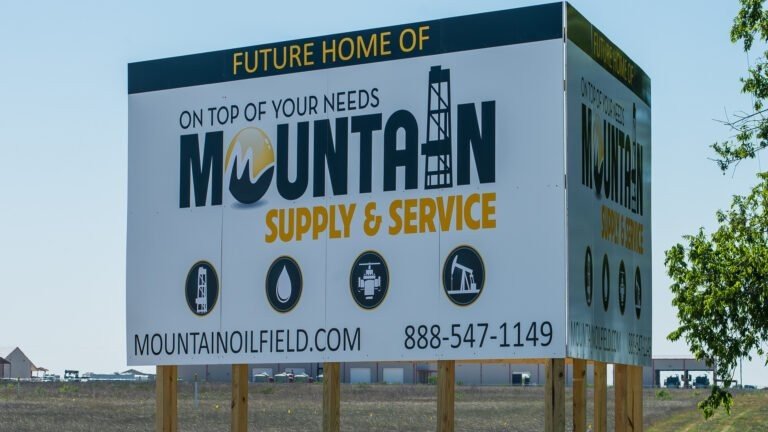
MDO sign boards are used across a range of commercial applications in San Antonio, particularly where the sign will be freestanding, post-mounted, or installed in a location with direct outdoor exposure.
- Construction site identification: project boards that carry contractor branding, phase information, and compliance signage for the duration of a build.
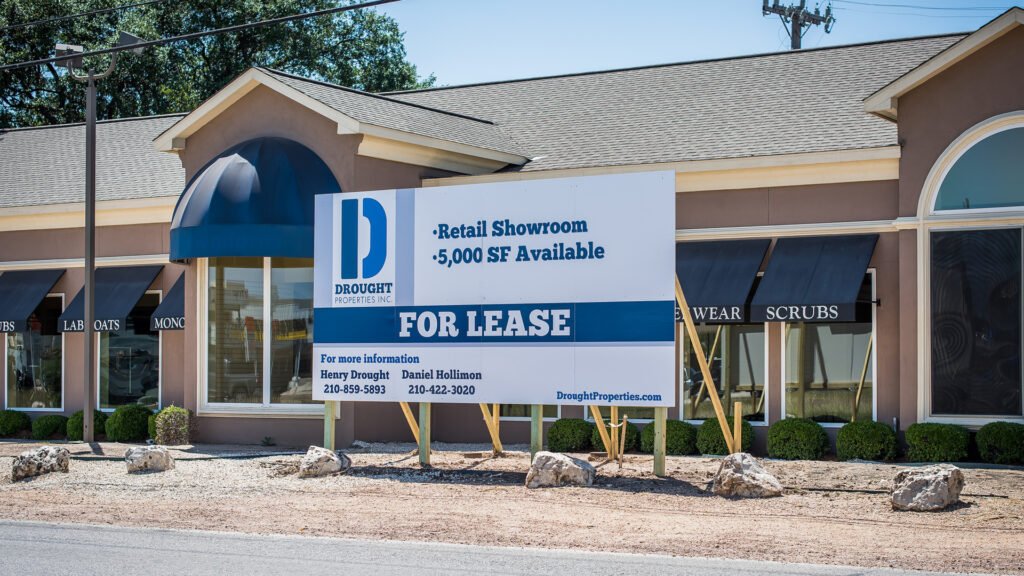
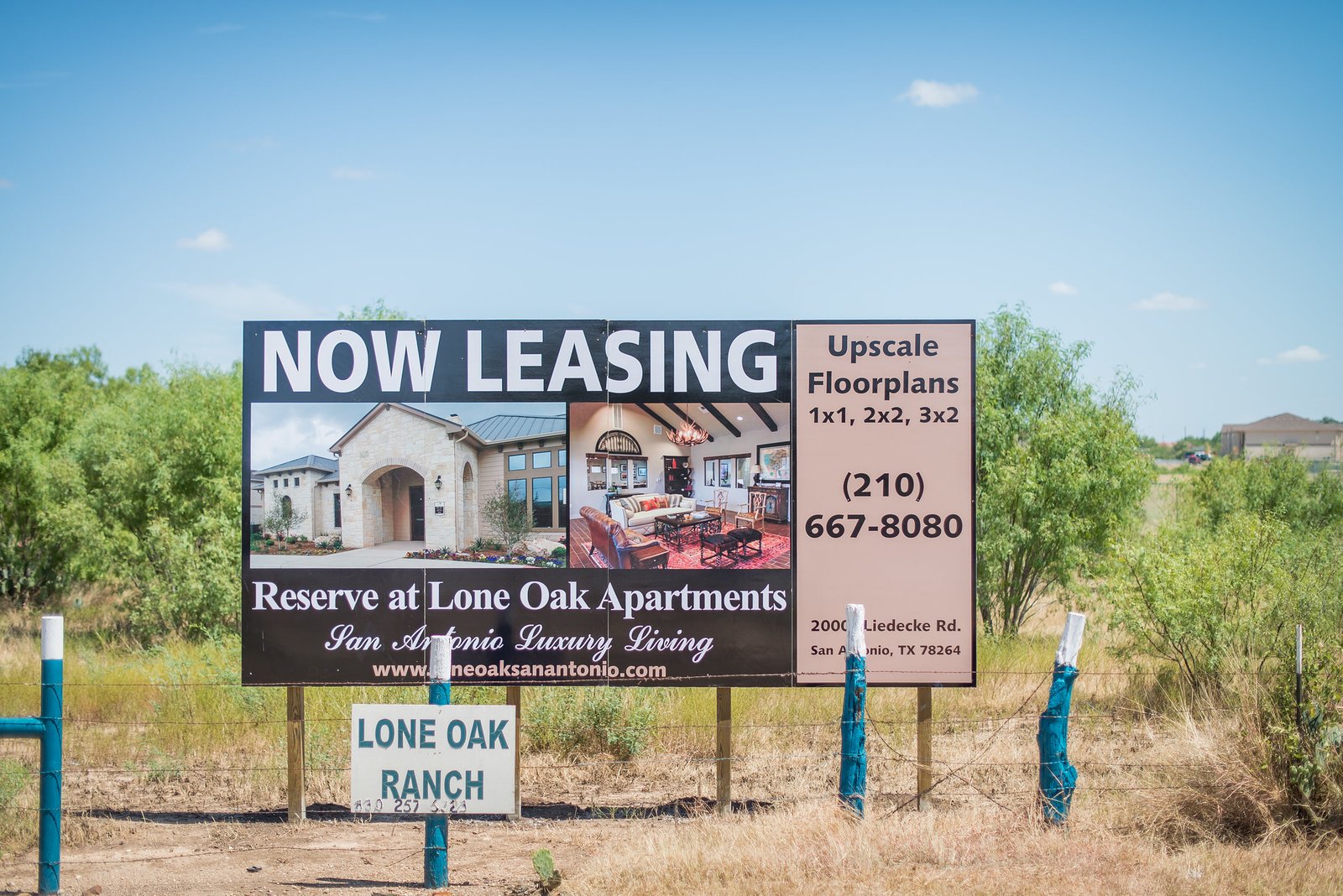
- Commercial real estate and leasing: boards for retail pads, office developments, and industrial properties where tenant details change as occupancy evolves. More on MDO for real estate signage.
- General contractor signs: professional site signage for contractors and construction companies across San Antonio and South Texas.
- Temporary and campaign signage: any application where the sign needs to hold its appearance for a defined period and may need to be updated or replaced when the campaign ends.
What to Expect from MDO Outdoors
MDO boards are designed for outdoor use. The resin-treated surface is waterproof and weather-resistant, and the plywood construction provides structural stability that allows the board to be post-mounted without additional bracing on most standard installations.
Signs of San Antonio uses quality, treated, primed, or painted boards and the company notes that MDO signs produced over ten years ago are still performing in the field. Longevity depends on the quality of the finishing, the installation conditions, and whether the sign is maintained over its installed period. A well-finished MDO board can serve multiple project cycles through repainting rather than full replacement.
UV and graffiti-resistant overlaminate is available and extends both the colour life of the sign and its resistance to vandalism. With overlaminate applied, graffiti can be wiped off without damaging the face beneath.
Installation and Finishing: What Affects Performance
How an MDO sign is finished and installed affects how it performs over time. A few factors are worth understanding before the sign goes up.
Edge sealing is an important factor in outdoor MDO installations. The resin-treated surface protects the face of the panel, but the plywood edges remain exposed to moisture at cut points unless they are primed and sealed. Properly sealed edges help the board maintain its appearance and structural integrity through wet weather and seasonal changes.
Matching the Material to the Application
The right outdoor sign material depends on what the sign needs to do and how long it needs to do it. MDO suits applications where a professional, weather-resistant sign is needed for a period that may include messaging updates. For permanent building identification intended to remain in place for many years without updates, materials such as aluminum or aluminum composite panels may be more appropriate. For carved or dimensional signs where the character of natural wood is part of the design, species with natural outdoor resilience are worth considering with appropriate finishing.
In San Antonio’s climate, with sustained UV exposure for most of the year and seasonal temperature swings, the finishing and installation details matter regardless of the substrate chosen. The material sets the foundation. The finishing is what makes it hold.
The Bottom Line
Wood and wood-composite materials each serve different signage applications. For flat-panel outdoor signs that need to look professional, hold up through San Antonio’s conditions, and support updates over time, MDO is a practical and well-established choice. Matching the material to the application, and finishing it correctly, is what determines how the sign performs from installation day onward.
To discuss which outdoor sign material suits your project, contact Signs of San Antonio for a quote.
Frequently Asked Questions
- What is the best wood for an outdoor business sign?
For carved or dimensional signs where natural wood character is part of the design, species with natural moisture resistance tend to hold up better outdoors. For flat-panel commercial signs requiring a smooth, paintable surface, MDO plywood is a more practical choice. The right answer depends on the sign type and how it will be used. - How long does an MDO sign last outdoors?
MDO boards are designed for outdoor use and can last for a number of years when correctly finished and installed. Signs of San Antonio notes MDO signs from over ten years ago still performing in the field. Longevity depends on finish quality, edge sealing, installation conditions, and ongoing maintenance. - Can MDO signs be repainted and reused?
Yes. The resin overlay surface supports multiple repaint cycles, which makes MDO a practical choice for signs where messaging is expected to change over time, such as leasing boards, construction site signs, and contractor branding. - What is the difference between MDO and standard exterior plywood?
Standard exterior plywood resists moisture at the core but has a wood-grain surface that affects paint consistency and graphic quality. MDO has a smooth, resin-treated overlay that creates a uniform, paintable face. For outdoor signs where crisp text and graphics matter, MDO produces a cleaner result. - When should I use aluminum instead of MDO for an outdoor sign?
Aluminum and aluminum composite panels are better suited to permanent building identification and signs intended to remain in place for many years without requiring updates. MDO is a stronger fit when the sign will be updated, repainted, or replaced within the project timeline.