A rebrand is one of the most visible commitments a business can make. New colors, a new logo, a new name, or a shift in positioning all carry real weight when they land in the physical world. And in the physical world, the first place a rebrand either succeeds or fails is the sign on the building.
Most businesses plan the digital side of a rebrand carefully. The website timeline is set. Social profiles are scheduled for the switchover. Print materials go to the designer. The sign is added to the list last, even though it is what every passing customer, every delivery driver, and every new visitor sees first. Business signage update and rebranding decisions deserve to be part of the plan from the start, not patched in at the end.
Why Signage Is the First Thing People Notice and the Last Thing Businesses Update
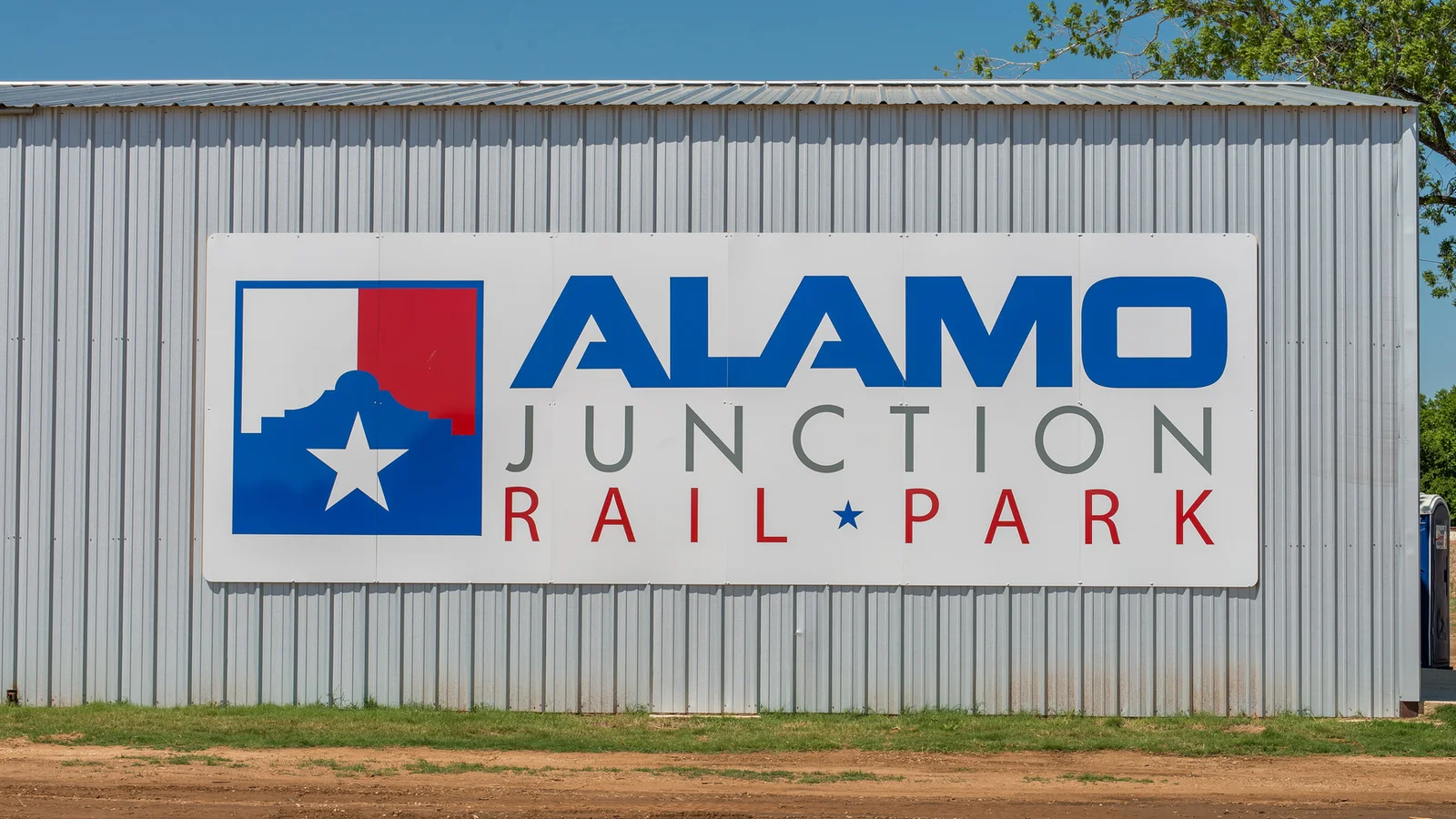
There is a gap that opens up in almost every rebrand. The website goes live on a Monday. By Tuesday, the Instagram is updated and the email signature is new. But the sign out front still shows the old logo, the old colors, or the name the business used to trade under.
That gap is more costly than it looks. A customer who finds the business online under the new brand and then arrives to find a sign that does not match it does not experience a smooth transition. They experience inconsistency. And inconsistency, however brief, creates doubt.
The businesses that handle rebranding well treat the sign as part of the launch, not the aftermath. They work with rebranding sign makers who understand how brand identity translates to physical formats and can produce what is needed on a timeline that aligns with the rest of the rollout.
What a Signage Audit Looks Like Before a Rebrand
Before a single sign is replaced, it helps to know exactly what needs replacing. A signage audit does not need to be a formal process. It is simply a complete list of every surface that carries the current brand identity.
For most businesses, that list is longer than expected:
- Exterior building signs and fascia panels
- Monument and post-mounted signs at entrances and parking areas
- Window decals and applied glass graphics
- Vehicle graphics and fleet branding
- 3-dimensional letters and logos on building facades and lobbies
- Interior wayfinding, reception signs, and directional panels
Each of these surfaces carries the old identity until it is updated. Going through the list before the rebrand launches means nothing gets missed, and the sequencing can be planned so that high-visibility items update first.
How to Sequence a Signage Rebrand

Not everything needs to change at once. For businesses with budget constraints or complex multi-location rollouts, sequencing the signage update strategically makes more sense than attempting everything simultaneously.
A practical sequence tends to follow this logic:
- High-visibility exterior signage first: the building sign, the monument sign, and the primary storefront graphics are what the majority of customers see. Updating these first means the most frequent impressions are consistent with the new brand immediately.
- Fleet and vehicle graphics next: vehicles carry the brand across the city every day. A vehicle still branded with the old identity after a rebrand launch is a moving inconsistency.
- Interior signage and wayfinding: lobby signs, reception panels, and directional signage are seen by customers who are already inside the business. They matter, but they can follow the exterior update.
- Secondary and supporting surfaces: window decals, promotional graphics, and supplementary signage can be phased in as production allows.
The key is that no surface should carry the old brand for longer than necessary after the rebrand has been made public. Every day of inconsistency is a day the physical environment contradicts the brand story being told everywhere else.
Working With Rebranding Sign Makers Who Understand the Whole Picture
Not all sign companies are set up to handle business signage update and rebranding projects. A single storefront sign is one thing. A coordinated rebrand across multiple sign types, multiple surfaces, and a defined timeline is a different kind of project entirely.
What matters when choosing rebranding sign makers for this kind of work is whether they can produce the full range of sign types the rebrand requires, whether they handle installation as well as production, and whether they can work to a timeline that keeps the rebrand on schedule. Outsourcing fabrication to third parties introduces delays and quality inconsistencies that a deadline-driven rebrand cannot afford.
At Signs of San Antonio, we have worked with businesses at every stage of the rebranding process, from the initial signage audit through final installation. Design, fabrication, and installation are all handled in-house, which means one point of contact, consistent quality across every sign type, and a turnaround that keeps pace with the rebrand timeline.
When to Start the Signage Conversation
The signage conversation should start when the new brand identity is at the proof stage. A logo that works at business card size may need adjustment to read at building scale. A color that prints correctly on paper may need a different specification for vinyl or painted surfaces. Catching these things during the design phase is straightforward. Catching them after signs have been produced is not.
Signage That Carries the Rebrand Forward
A rebrand represents a decision about the direction of the business. The signage that carries that decision into the physical world should reflect it with the same care that went into every other element of the brand refresh.
Every customer who passes the building, enters the lobby, or sees a company vehicle is experiencing the rebrand through the signs they encounter. Getting those signs right, on time, and consistent across every surface is not a finishing touch. It is how the rebrand actually lands.
Ready to update your signage as part of a rebrand? Talk to Signs of San Antonio.
Frequently Asked Questions
- How far in advance should I plan signage for a rebrand?
Ideally, signage production should be factored into the rebrand timeline from the moment a new brand identity is in development. For most projects, six to eight weeks of lead time allows for design review, proofing, production, and installation without rushing any stage. Complex multi-location projects may require longer. - Can existing signs be updated rather than fully replaced?
In many cases, yes. Vinyl overlays can update the graphics on existing cabinet signs and panels without replacing the underlying structure. Channel letter signs can be recolored or refaced. A signage audit will identify which signs can be updated and which require full replacement to meet the new brand standard. - How do you ensure color consistency across different sign types?
Color consistency requires specification-level coordination across all materials used in production. Working with a single provider who handles all sign types for the rebrand is the most reliable way to achieve consistency. Our team at Signs of San Antonio calibrates color across formats so the brand reads correctly whether it appears on vinyl, paint, or illuminated lettering. - What is the most common mistake businesses make when rebranding their signage?
Leaving it too late. Most businesses finalize their signage plan after everything else in the rebrand is already locked, which compresses the production timeline and increases the risk of errors. Building signage into the rebrand schedule from the start prevents the inconsistency gap that undermines an otherwise well-executed launch. - Do you handle signage rebranding for businesses with multiple locations?
Yes. We manage multi-location rollouts with consistent production standards across every site. We advise on sequencing, handle permitting where required, and coordinate installation across locations to keep the rebrand timeline on track.