Flex material shows up on pole signs, building banners, illuminated cabinet faces, and large outdoor displays across San Antonio. Most businesses encounter it without knowing what it is called. Understanding the basics helps when specifying new signage, evaluating a quote, or deciding whether a flex face sign is the right format for a particular location.
What Flex Material Is
Flex material in signage is a flexible PVC-based fabric reinforced with a woven scrim layer, typically made from polyester or nylon, sandwiched between the PVC layers. The scrim provides structural strength and tear resistance. The PVC layers protect against moisture and outdoor exposure, and create a printable surface.
Two main variants are relevant to commercial signage:
- Frontlit flex: printed on one side and viewed under external illumination. This is the standard for most outdoor banners and non-illuminated large-format signs.
- Backlit flex: a translucent formulation designed to diffuse light from behind evenly across the face. Used in illuminated cabinet signs and lightbox applications. Frontlit and backlit materials are not interchangeable. Using the wrong one for a given application produces a noticeably uneven or washed-out result.
Where Flex Material Works Best
Common applications across San Antonio and the broader commercial signage market include:
- Large outdoor banners: retail promotions, event signage, construction hoardings, and grand opening banners where the required size would mean seaming a rigid substrate.
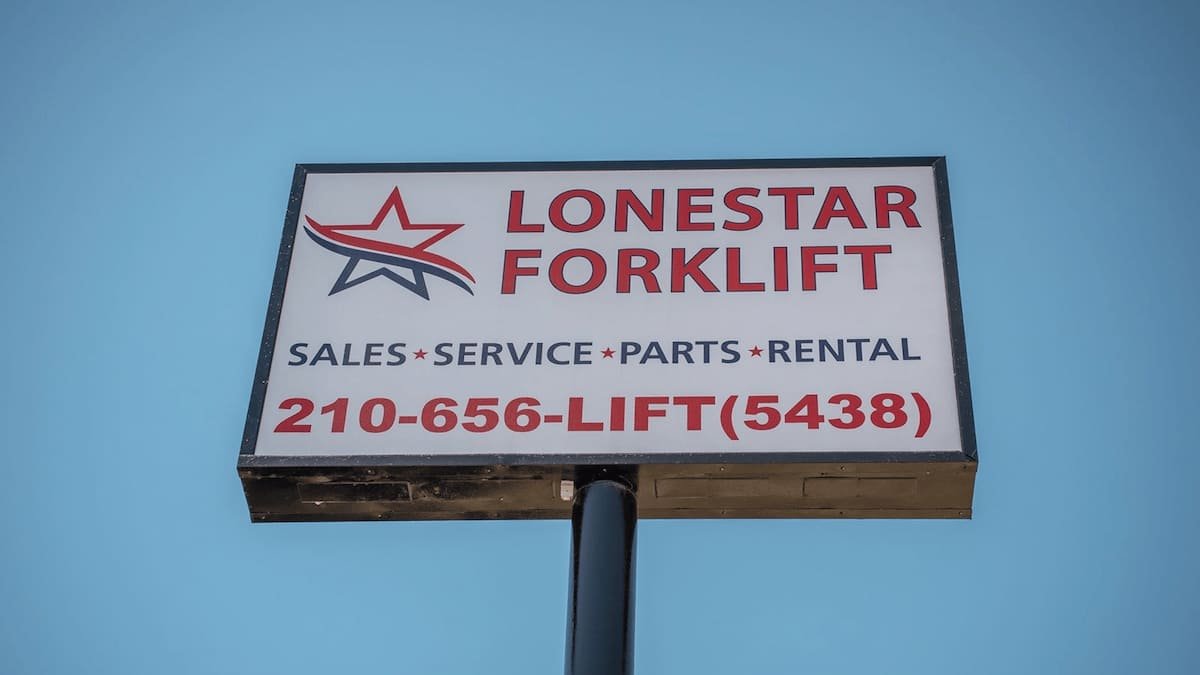
- Pole and pylon sign faces: tensioned flex panels within the cabinet frame of a pole-mounted sign structure. The tension system holds the face flat in wind, and the panel can be replaced when the graphic needs to change without requiring structural work on the cabinet.
- Building-mounted and large facade graphics: cut and installed in panels across large exterior surfaces, tensioned to lie flat against the building face.
- Illuminated cabinet signs: backlit flex material in lightbox and cabinet applications where the sign face needs to diffuse internal illumination evenly.
- Perforated window graphics: a variant that allows visibility from inside while displaying a graphic from outside.
Flex Face Pole Signs: A Closer Look
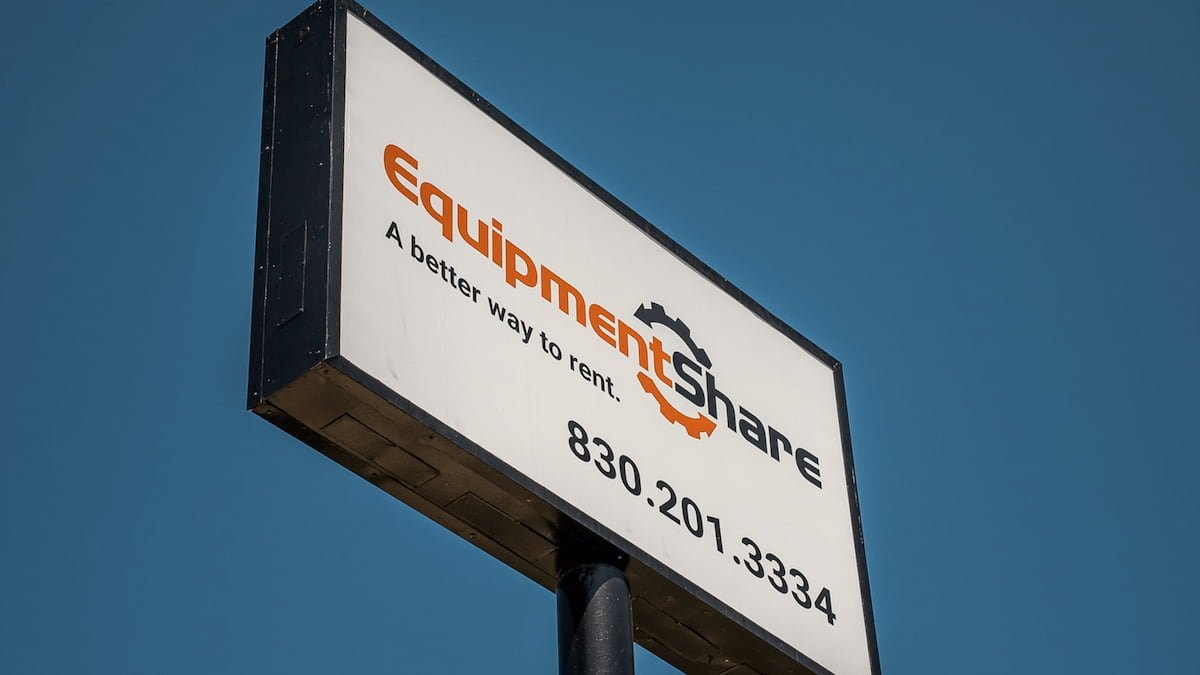
A flex face sign uses a printed flexible panel tensioned within a cabinet frame mounted on a pole. The panel holds flat and taut under the tension system, which means it reads clearly from a distance and performs well in wind conditions that would stress a banner or a loosely mounted graphic.
The practical advantage for businesses is in the replacement cycle. When a brand identity changes or messaging needs updating, the printed panel is replaced rather than the entire cabinet structure. Depending on the project, this can represent a meaningful cost saving over full sign replacement, and it allows the sign to be refreshed on a more practical timeline.
At Signs of San Antonio, we handle flex face work for businesses across the city’s commercial corridors. If a pole sign installation is being considered, or an existing cabinet structure needs a new face, we can advise on whether flex face is the appropriate specification for that structure and location.
What Affects How Flex Material Performs Outdoors
Flex material is not a single product. The specification choices made at the order stage affect how the finished sign performs over its installation period. For outdoor applications in San Antonio, where UV exposure is sustained for most of the year, a few decisions carry real weight.
Ink and laminate specification affects color longevity. UV-resistant inks and laminates are available and are worth considering for signs in direct sun exposure, particularly on south and west-facing installations where afternoon sun is most intense. Without UV-appropriate specification, color quality can degrade over time at a rate that depends on the specific conditions of the installation.
Tension and installation method affects structural performance. A panel that is improperly tensioned, or a tension system that is not suited to the cabinet structure, can result in a sign that billows, ripples, or develops uneven stress across the face. A correctly tensioned installation holds flat and reads cleanly regardless of wind conditions.
The Bottom Line
Flex material handles a range of large-format applications that rigid substrates cannot address as practically: oversized banners, tensioned pole sign faces, building-mounted graphics, and illuminated cabinet faces. When the format, specification, and installation are matched correctly to the application, it is a reliable and versatile choice for commercial signage.
To discuss flex face signs or large-format signage for your San Antonio business, contact Signs of San Antonio for a quote.
Frequently Asked Questions
What is flex material in signage?
Flex material is a flexible PVC-based fabric reinforced with a woven scrim layer, used in large-format commercial signage including banners, building graphics, and pole sign face panels. It is designed to be tensioned across a frame rather than mounted as a rigid panel, which makes it practical for large-scale applications.
What is the difference between frontlit and backlit flex material?
Frontlit flex is viewed under external illumination and is used for most outdoor banners and non-illuminated signs. Backlit flex is a translucent material designed to diffuse light from behind, used in illuminated cabinet signs and lightboxes. The two are not interchangeable, and using the wrong formulation for a given application produces a noticeably poor result.
How long does a flex face sign last outdoors in San Antonio?
Lifespan depends on the UV resistance of the inks and laminates used, the quality of the tension system, and the specific conditions of the installation. A correctly specified flex face with UV-resistant inks and laminate will typically hold its appearance significantly longer than one produced without appropriate UV protection. San Antonio’s sustained sun exposure makes UV specification worth discussing before any long-term outdoor installation.
Why do pole signs use flex faces instead of rigid panels?
Flex faces are lighter, easier to install and replace, and can be printed at high resolution across large formats. When the graphic needs to change, only the printed panel is replaced rather than the cabinet structure, which can make updates more cost-effective depending on the project. The tension system holds the face flat in wind, so it reads clearly from a distance.
Is flex material suitable for illuminated signs?
Yes, with the correct specification. Backlit flex material is specifically formulated to diffuse internal illumination evenly across the face, making it the standard choice for illuminated cabinet signs and lightbox applications. Standard frontlit material is not designed for backlit use and will not produce the same result.