Choosing the right material determines how well your outdoor sign performs over time. The best option depends on where the sign will be installed, the conditions it will face, and whether durability or appearance matters more. A sign outside a busy warehouse has different requirements from the one mounted above a retail storefront, even if both are exposed to the same weather.
Choosing between a lexan sign and an acrylic sign isn’t as simple as selecting the stronger material. While lexan offers better impact resistance, acrylic retains its appearance better under prolonged UV exposure.
This guide compares lexan and acrylic signs based on different factors for outdoor use, including:
- Durability
- Weather resistance
- Appearance
- Best-performing environments
Durability and Weather Conditions
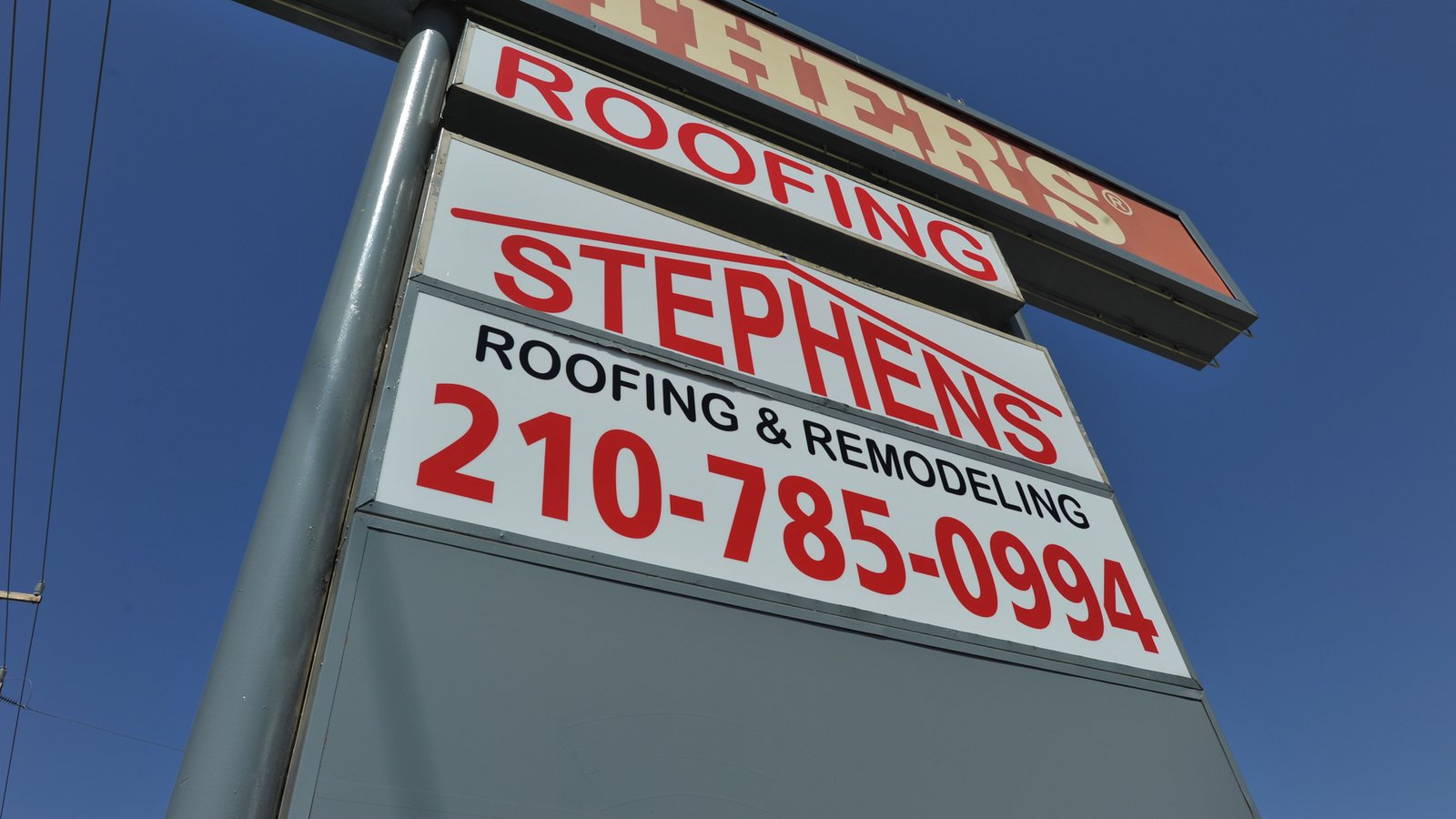
Outdoor conditions affect business signage in different ways. Rain, UV exposure, temperature changes, and accidental impacts all influence which material performs better over time. While both lexan and acrylic are durable plastics, they respond differently to these conditions.
Impact Resistance
One of the biggest differences between lexan and acrylic is how they respond to physical force.
Lexan is a polycarbonate material known for its exceptional impact resistance. Instead of cracking when struck, it absorbs the force and is more likely to bend or flex. This makes lexan/polycarb well-suited for locations where signs are more likely to encounter physical stress.
For example, signs installed in parking lots, warehouses, loading zones, or construction sites are more likely to be accidentally struck. In these environments, lexan offers greater protection against breakage.
Acrylic is also durable, but its rigid structure makes it more susceptible to cracking or chipping when exposed to a strong impact. That doesn’t mean it performs poorly outdoors.
For businesses installing signs on building facades, monument signs, or storefront entrances where the risk of physical damage is relatively low, acrylic signs provide the durability needed for everyday outdoor exposure.
UV Resistance
Constant exposure to sunlight affects both the appearance and lifespan of outdoor signage. Ultraviolet (UV) rays cause some plastics to discolor or lose clarity after years of exposure.
Acrylic naturally resists UV damage, allowing it to maintain its color and transparency with little change over time. This makes it the go-to option for businesses that want their signs to retain a clean, polished appearance despite prolonged exposure to sunlight.
Standard lexan is more susceptible to UV degradation. When selecting a lexan sign for outdoor use, confirm that it includes a UV-protection coating. Standard lexan may yellow or degrade over time if used outdoors without this protective coating.
Moisture and Temperature
Both lexan and acrylic signs perform well when exposed to moisture and will not rust, corrode, or absorb water like some traditional materials. The biggest difference appears when temperatures fluctuate.
Lexan remains stable across a broad temperature range and retains its strength in both hot and cold conditions. This makes it well-suited for regions that experience significant seasonal changes.
Acrylic also handles normal outdoor temperatures well, but it becomes more brittle in colder conditions. While this isn’t a concern for every installation, it can increase the likelihood of cracking if the sign experiences a heavy impact during freezing weather.
Resistance to Scratches and Damage
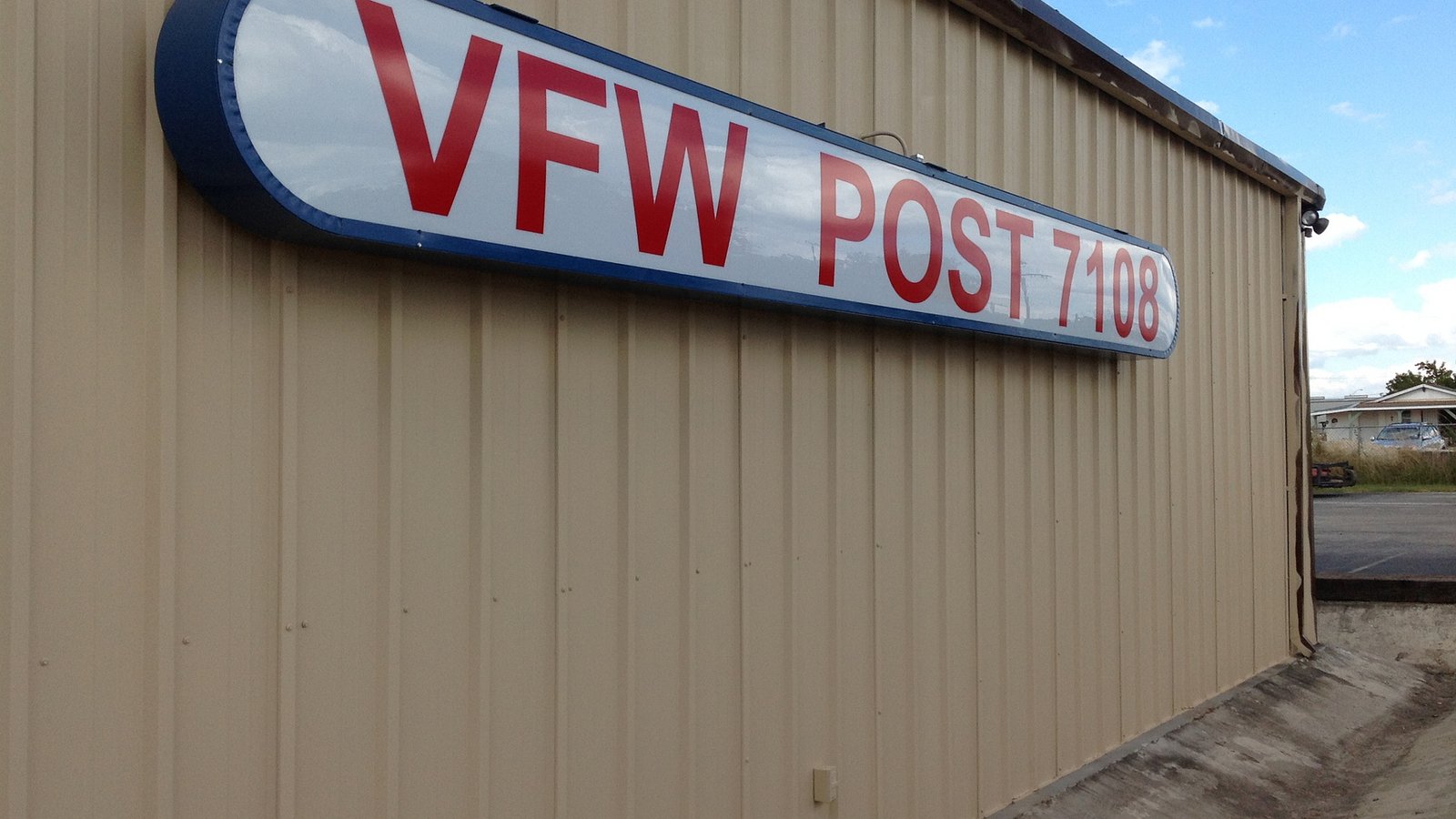
Outdoor signs don’t just face the weather. They also encounter everyday wear from cleaning, accidental contact, and objects brushing against the surface. While both lexan and acrylic are durable materials, they handle surface damage differently.
Acrylic has a harder surface than lexan, making it more resistant to light scratches from routine cleaning or everyday handling. This helps preserve its glossy finish and makes it a popular choice for signs where appearance is a priority.
For example, an acrylic storefront sign that is cleaned regularly is less likely to develop fine surface marks than a comparable lexan sign.
Although lexan performs exceptionally well against impacts, its softer surface makes it more vulnerable to scratches. Routine cleaning, abrasive materials, or frequent contact with objects can gradually leave visible marks on the surface.
This makes lexan a practical choice for locations where accidental contact is more common than cosmetic wear.
Cost and Long-Term Value
Lexan and acrylic signs are both available in a range of sizes, thicknesses, and finishes, so there isn’t a single price that applies to every project.
Generally, acrylic is the more economical choice. It offers an attractive finish at a lower material cost, making it a practical option for businesses installing signs in locations where impacts are unlikely.
Lexan generally requires a higher upfront investment, especially when outdoor-grade sheets with UV protection are specified. While this increases the initial project cost, the added durability reduces the likelihood of replacing a damaged sign in demanding environments.
Purchase price alone doesn’t determine value. A lower-cost sign that requires replacement after an impact may cost more over its lifetime than a more durable material. The better investment depends on the environment where the sign will be installed.
Final project costs also depend on several factors beyond material choice, including:
- Sign dimensions
- Material thickness
- Printing or graphics
- Mounting hardware
- Custom shapes or cut-outs
- Protective coatings
- Installation requirements
These variables often have a greater impact on the total project cost than the material alone.
Best Outdoor Applications
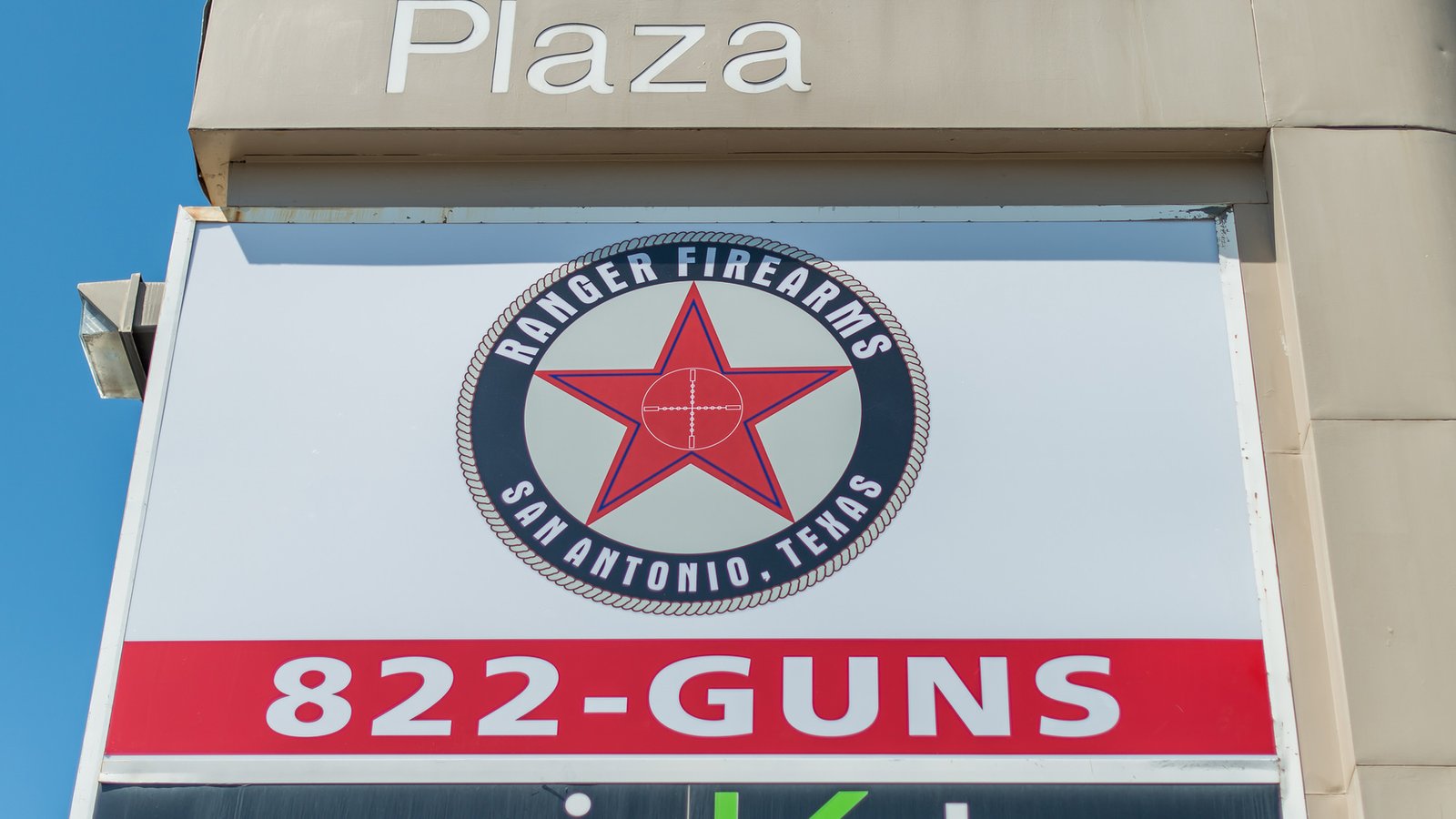
Common Lexan Sign Applications
Lexan is generally the better option when impact resistance and durability take priority over appearance.
Businesses often choose lexan for:
- Parking and traffic signs
- Construction site signage
- Warehouses and distribution centers
- Industrial facilities
- Manufacturing plants
- Schools and universities
- Sports complexes
- Public facilities with heavy pedestrian traffic
These locations expose signs to a greater risk of impact, making lexan’s toughness a key advantage.
Common Acrylic Sign Applications
Acrylic is often preferred when the sign’s appearance is just as important as its durability. Its smooth finish and excellent clarity make it well-suited to customer-facing businesses that want a polished, professional look.
Common applications include:
- Retail storefront signs
- Office building directories
- Corporate entrance signs
- Restaurant signage
- Hotel signage
- Medical office identification signs
- Decorative business signs
These signs are typically installed in locations where accidental impacts are uncommon. Here, maintaining a polished appearance is often more important than impact resistance, making acrylic the better fit.
Quick Comparison
Each material performs well outdoors, but they excel for different reasons. Here’s a side-by-side comparison of the factors that matter most when choosing between them.
| Feature | Lexan Sign | Acrylic Sign |
| Impact resistance | Excellent. Highly resistant to cracking and breaking. | Good, but more likely to crack under heavy impact. |
| Scratch resistance | Softer surface that scratches more easily. | Harder surface with better resistance to everyday scratches. |
| UV resistance | Good when manufactured with UV protection. | Excellent natural resistance to yellowing and discoloration. |
| Weather performance | Performs well in harsh outdoor environments. | Performs well in standard outdoor conditions. |
| Appearance | Functional appearance with good clarity. | High-gloss finish and superior optical clarity. |
| Temperature performance | Handles extreme temperatures with minimal change in strength. | Performs well outdoors but is more brittle in very cold conditions. |
| Typical cost | Higher initial investment. | Often the more economical option. |
Choose lexan if your sign is likely to experience impacts, heavy use, or harsh outdoor conditions. Choose acrylic if maintaining a polished appearance is the highest priority in a lower-risk environment.
Getting the Most from Your Outdoor Sign
Even after choosing the right material, the success of your sign depends on who designs, fabricates, and installs it. A well-made outdoor sign should do more than withstand outdoor elements.
It should suit your location, communicate your brand clearly, and continue performing reliably without unnecessary repairs or premature replacement.
At Signs of San Antonio, we take a comprehensive approach to every project. We evaluate factors such as the sign’s size, mounting surface, wind exposure, viewing distance, and local regulations before recommending a solution. From material selection and custom fabrication to professional installation, our team delivers outdoor business signs designed for lasting performance.
“We’ve had nothing but positive experiences working with Signs of SA! They’ve handled all of our company’s signage and printed materials with exceptional speed and professionalism. Their team consistently delivers high-quality products and outstanding customer service. We truly appreciate their reliability and look forward to continuing our partnership!”— VEGAs Event Group, Verified Customer.
If you’re unsure whether lexan or acrylic is the better choice for your location, contact us, and our team will help you choose the right material based on your environment, visibility goals, and long-term needs.